
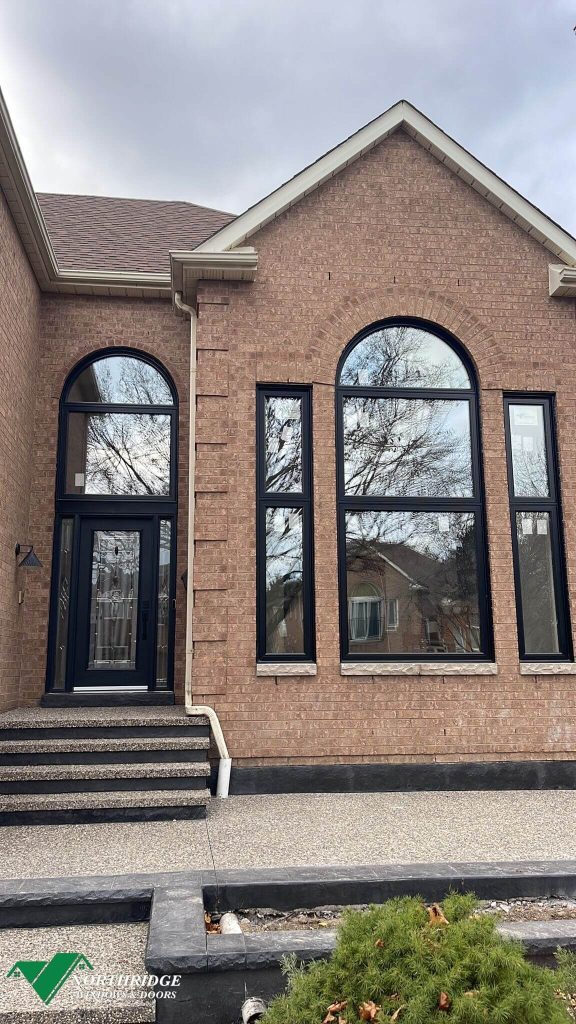
Replacing windows is a significant home improvement project, so understanding what influences the overall investment is important before getting started. The cost to replace windows depends on several factors, including window size, style, frame material, glass options, installation requirements, and the condition of the existing openings. Toronto homeowners considering Toronto windows should look beyond the cost of the window itself and consider the complete replacement process when planning their renovation.
What Affects the Cost to Replace Windows?
There is no universal cost for replacing windows because every home and project is different. The type of window, number of openings, installation requirements, and materials selected can all influence the overall investment.
Homeowners should consider both the immediate project requirements and the long-term performance of their chosen windows. A lower-cost product may not always provide the durability, insulation, maintenance requirements, or features that a particular home needs. Understanding window replacement considerations can help homeowners determine which areas of their property may require attention.
Understanding the different factors involved can help you compare options more effectively and create a realistic renovation plan.
Window Size and Number of Windows
The size and number of windows being replaced are two of the most obvious factors affecting the overall project cost. Larger windows generally require more materials and may require additional handling during installation.
Replacing several windows as part of one project can also change the way installation is planned. Instead of treating every window as a separate project, homeowners can work with their installer to develop a coordinated replacement plan for the entire home.
If you are not replacing every window at once, consider prioritising those that show the greatest signs of deterioration, poor insulation, or operational problems.
Window Material and Its Impact on Cost
The material used for the window frame can significantly affect the overall investment. Common options include vinyl, wood, fibreglass, and combination materials, with each offering different advantages.
Vinyl is often considered for its low-maintenance characteristics and practical performance. Wood can provide a traditional and natural appearance, while fibreglass can offer durability and stability.
When comparing window materials, homeowners should consider more than the initial investment. Maintenance requirements, expected lifespan, appearance, insulation, durability, and compatibility with the home should all be part of the decision.
Window Style and Design
The style of window you choose can also influence the project requirements. Casement, sliding, awning, double-hung, bay, bow, and specialty windows all have different designs and operating mechanisms.
Simple configurations may be easier to manufacture and install, while larger or more complex designs can require additional planning.
For example, bay and bow windows project outward from the exterior of a home and may involve more complex installation considerations than a standard replacement window.
Specialty windows can also require custom measurements and manufacturing, making it particularly important to obtain a project-specific assessment. Reviewing different window types can help homeowners understand which designs may be suitable for different rooms.
Glass and Energy-Efficiency Features
The glass package is another important consideration when planning a window replacement. Double-pane and triple-pane glazing can provide different levels of insulation, while features such as Low-E coatings and gas-filled units can contribute to improved thermal performance.
Homeowners should consider how much energy efficiency they need rather than automatically choosing the most advanced option available.
Factors such as the home’s existing insulation, window orientation, room comfort, heating and cooling requirements, and local climate can all influence which glazing option makes sense.
For Toronto homes, choosing energy-efficient windows designed to handle seasonal temperature changes can contribute to a more comfortable indoor environment.
Frame Condition and Installation Complexity
The condition of the existing window opening can affect the work required during replacement. If an opening has moisture damage, deterioration, or structural issues, additional preparation may be necessary before the new window can be installed.
Accessibility can also influence installation requirements. Windows located on upper floors or difficult-to-reach areas may require additional planning and equipment.
This is why an accurate assessment before ordering windows is important. It allows potential installation challenges to be identified before the project begins.
What Does Window Installation Include?
The cost window installation should be considered as part of the complete replacement project rather than treated as an unrelated expense.
Professional installation may involve removing the existing window, preparing the opening, positioning the replacement, checking alignment, securing the unit, insulating around the frame, sealing the perimeter, and completing necessary finishing work.
The exact installation process depends on the window type, property, existing opening, and replacement method.
- Labour and Installation Requirements
Installation labour can vary according to the complexity of the project. A straightforward replacement in a well-maintained opening may require less preparation than a project involving damaged materials, unusual dimensions, or difficult access.
When reviewing an installation quote, homeowners should confirm exactly what the labour includes.
- Removal and Disposal of Existing Windows
Old windows need to be removed before new units can be installed. Homeowners should ask whether removal and disposal are included in the project scope.
Understanding this before work begins can help prevent confusion about additional services or responsibilities later in the project.
Window Replacement Renovation Cost: What Should Your Budget Include?
The overall window replacement renovation cost should account for the complete scope of the project rather than just the replacement units.
Depending on the home and project, this may include the windows themselves, professional installation, removal and disposal, interior or exterior finishing, trim, repairs, and optional performance upgrades.
Older homes may require additional preparation if the existing openings have deteriorated over time.
- Basic Replacement vs Full Renovation
A straightforward replacement generally involves installing a new window within an existing opening. This can be different from a renovation project where the homeowner wants to change the opening size, alter the configuration, or make structural modifications.
A full renovation may involve additional construction, finishing, or professional trades depending on the property’s requirements.
- Potential Additional Costs
Unexpected conditions can sometimes be discovered once an old window is removed. Damaged framing, moisture issues, deteriorated materials, or other problems may need to be addressed before the replacement can proceed.
Ask your installer how unexpected issues are handled and make sure the project agreement explains how additional work will be communicated.
Cost Considerations by Window Style
The price of new windows varies depending on their construction, size, material, glass package, hardware, and installation requirements.
1. Casement Windows
Casement windows open outward using a crank mechanism and can provide effective ventilation and a tight closure when properly installed.
Their operating hardware and configuration should be considered when comparing different window options.
2. Sliding Windows
Sliding windows operate horizontally and can be suitable for a variety of rooms and wider openings. Their design can provide convenient operation and straightforward ventilation.
When comparing options, consider the frame, glass package, hardware, and overall performance rather than focusing solely on the window style.
3. Double-Hung Windows
Double-hung windows feature two movable sashes and can complement both traditional and contemporary homes.
Their operating mechanisms and design characteristics may influence the overall project requirements.
4. Bay and Bow Windows
Bay and bow windows can create additional visual space and provide a distinctive architectural feature. However, their larger configurations can require more planning and specialised installation.
Homeowners should discuss structural requirements, support, insulation, and finishing with their installer before choosing these configurations.
5. Specialty and Custom Windows
Custom windows can be designed around unusual openings, specific dimensions, architectural requirements, or unique design preferences.
Because they are manufactured for particular applications, homeowners should allow sufficient time for assessment, manufacturing, and installation planning.
How Energy-Efficient Windows Affect Your Investment
Energy-efficient windows can require a greater initial investment than basic options, but the decision should be based on the performance benefits they provide.
Features such as improved glazing, Low-E coatings, insulated frames, and multiple panes can help reduce heat transfer and improve indoor comfort.
Rather than choosing windows based only on their initial cost, consider how their performance fits your home’s needs. The most appropriate option is the one that provides the right combination of insulation, durability, appearance, maintenance, and performance.
Is It Worth Choosing More Energy-Efficient Windows?
For many homeowners, energy efficiency is an important consideration when replacing older windows. However, the right level of performance depends on the property.
If your existing windows allow noticeable drafts or contribute to uncomfortable rooms, improved insulation may be an important priority.
Homeowners should also remember that installation quality matters. Even a high-performance window needs to be correctly measured, fitted, insulated, and sealed to perform as intended.
How to Reduce the Cost to Replace Windows
Reducing your overall investment does not necessarily mean selecting the least expensive window available. Instead, focus on making informed decisions and avoiding unnecessary features or work.
1. Compare Different Window Options
Compare frame materials, window styles, glazing, hardware, warranties, maintenance requirements, and installation specifications.
A detailed comparison can help you identify which features are genuinely useful for your home.
2. Consider Replacing Multiple Windows Together
If several windows require replacement, ask your installer whether completing them as one project could improve installation efficiency.
A coordinated project can also make it easier to create a consistent appearance and performance level throughout the home.
3. Prioritise Useful Performance Features
Identify the features that matter most to your household. If indoor comfort is your priority, focus on insulation and glazing performance. If low maintenance is important, compare frame materials carefully.
Avoid paying for features that provide little practical benefit for your particular property.
4. Do Not Choose Solely on the Lowest Quote
The lowest quote may not always represent the best overall value. Check whether the proposal includes installation, removal, disposal, finishing, warranties, and other necessary services.
A detailed quote makes it easier to compare different contractors on an equal basis.
How to Compare Window Replacement Quotes
When comparing window replacement quotes, make sure each proposal covers the same scope of work.
Review the number and type of windows, frame material, glass specifications, installation method, removal and disposal, finishing, warranty coverage, and any potential additional work.
Ask questions if anything is unclear. A professional installer should be able to explain what is included and identify any project-specific considerations.
Questions to Ask Before Hiring a Window Installer
Before selecting an installer, ask about their experience, measurement process, installation methods, product options, warranties, and expected project timeline.
It is also important to understand who handles old-window removal, disposal, interior finishing, and exterior finishing.
Ask how unexpected problems are handled if the existing opening has damage or requires additional preparation.
Reviewing installer questions before your consultation can help you have a more productive discussion with a potential contractor.
Taking the time to clarify these details can help you avoid misunderstandings once the project begins.
When Should You Replace Your Windows?
Several signs may indicate that your windows are ready for replacement. These can include noticeable drafts, condensation between glass panes, damaged frames, difficulty opening or closing windows, deteriorating components, and poor indoor comfort.
In some cases, a problem may be repairable rather than requiring complete replacement. A professional assessment can help determine whether repair, glass replacement, or full window replacement is appropriate.
How to Plan Your Window Replacement Budget
Start by identifying how many windows need attention and which styles are appropriate for each opening. Then consider the frame materials, glass specifications, energy-efficiency requirements, and installation conditions.
Once you have established your priorities, obtain detailed assessments from qualified window professionals.
It is also sensible to allow some flexibility in your renovation budget for unexpected conditions, particularly when replacing windows in an older home.
Choosing the Right Balance Between Cost and Performance
The best replacement window is not necessarily the least expensive or the most premium option. It should provide the right balance between performance, durability, appearance, maintenance, energy efficiency, and long-term value.
For Toronto homeowners, Canadian weather should be an important part of the decision. Quality products combined with professional installation can help support comfort and performance throughout changing seasons.
Why Choose Northridge Windows & Doors?
Choosing the right installation company is an important part of any window replacement project. Northridge Windows works with homeowners to identify suitable window and door solutions based on their property’s requirements, design preferences, and performance goals.
A professional approach should consider accurate measurements, product selection, installation quality, insulation, sealing, and finishing as part of the same project.
By discussing your priorities with an experienced window professional, you can make more informed decisions about which products and features are appropriate for your home.
Conclusion
Understanding the cost to replace windows involves much more than looking at the cost of an individual window. Frame material, size, style, glass specifications, installation complexity, labour, removal, finishing, and the condition of the existing openings can all affect the overall investment.
Homeowners should compare complete project proposals and make sure they understand what is included before making a decision. Energy efficiency and long-term performance should also be considered alongside the initial investment.
Whether you are replacing a few damaged windows or planning a larger home renovation, careful planning can help you select products that meet your home’s needs while avoiding unnecessary expenses.
With the right window products, professional installation, and a clear understanding of the project scope, homeowners can make a confident investment in their home’s comfort, appearance, and long-term performance. Homeowners can contact our team to discuss their window replacement requirements.
Frequently Asked Questions
1. What factors affect the cost to replace windows?
The main factors include window size, quantity, material, style, glass configuration, installation requirements, accessibility, existing opening conditions, removal, disposal, and finishing work.
2. What is included in window replacement renovation cost?
A complete renovation may include the replacement windows, professional installation, removal and disposal of existing units, preparation of openings, repairs, trim, finishing, and selected performance upgrades.
3. What affects the cost of window installation?
Installation requirements can vary depending on window type, accessibility, number of windows, existing conditions, preparation requirements, and the complexity of the project.
4. What determines the price of new windows?
Window construction, material, dimensions, style, glass package, hardware, energy-efficiency features, and customisation can all influence the overall investment.
5. Are energy-efficient windows worth considering?
Energy-efficient windows can be beneficial for homeowners who prioritise insulation and indoor comfort. Consider glazing, frame construction, installation quality, and the condition of your existing windows when making a decision.

