
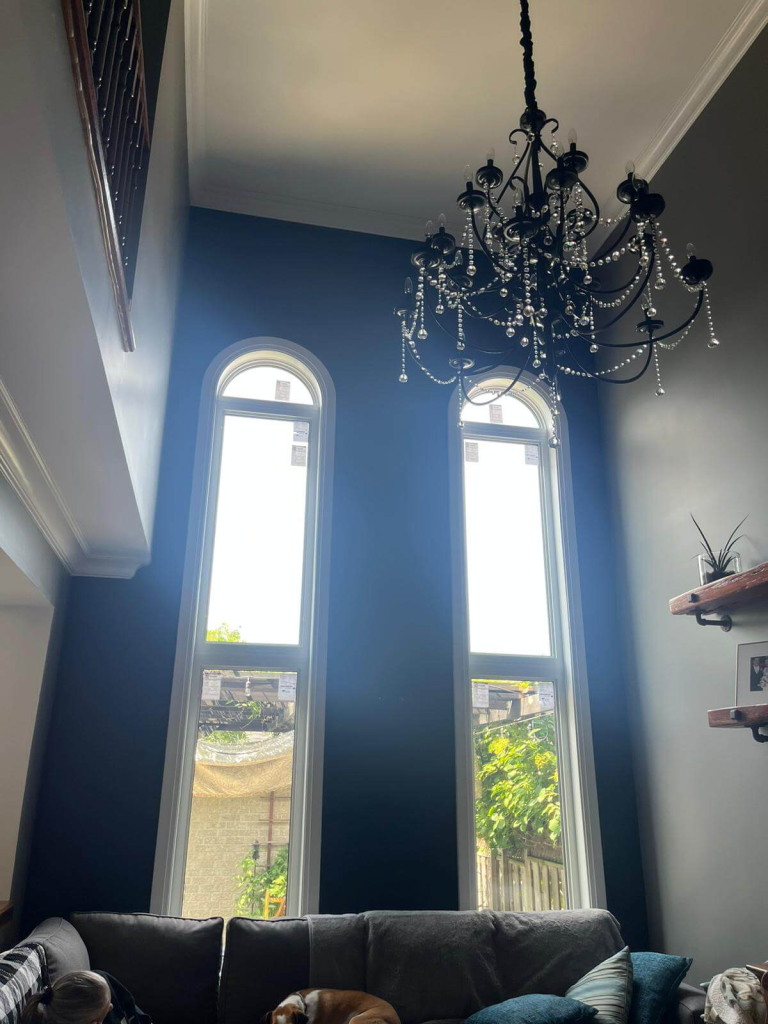
Updating your windows is one of the most effective ways to refresh your home’s appearance while improving comfort, natural lighting, and energy efficiency. Whether you are planning a complete renovation or looking for a few targeted improvements, the right window replacement renovation ideas can help transform both the interior and exterior of your property.
Windows influence how a home looks and feels. Older designs can make rooms appear dated, limit natural light, and contribute to drafts or temperature changes. Replacing them with modern styles, updated frames, and more efficient glazing can create a noticeable difference without requiring a major structural renovation.
For homeowners considering an upgrade, the key is to choose window solutions that complement the property’s architecture, meet practical requirements, and support long-term performance. It is also important to consider how each window performs in the room where it will be installed. A design that works well in a bright living room may not be the most practical choice for a bathroom, bedroom, or kitchen. Here are several ideas to help you plan a window renovation that gives your home a fresh and updated look.
Replace Outdated Windows with Modern Designs
One of the simplest ways to modernise a property is to replace old windows with contemporary designs. Traditional windows may no longer match your home’s updated exterior or interior style, particularly if you have recently renovated other areas.
Modern window designs often feature cleaner lines, slimmer frames, and larger glass areas. These features can create a more open appearance while allowing additional daylight into your rooms.
For a contemporary home, consider casement or fixed windows with simple frame profiles. If your property has a more traditional appearance, you can choose updated designs that preserve its original character while improving functionality.
The goal is to select windows that make the home feel refreshed without making the new installations look out of place.
Before choosing a replacement style, look at the existing window proportions, wall space, and exterior features. For example, replacing several small windows with one large unit may create a modern appearance, but it can also change the balance of the home’s exterior. Matching the new design to the roofline, siding, brickwork, and neighbouring windows can help achieve a more cohesive result.
Bring More Natural Light into Your Living Spaces
Natural light can make rooms feel brighter, more spacious, and more welcoming. If your existing windows are small, poorly positioned, or obstructed by thick frames, replacing them with designs that offer larger glass areas may help improve the amount of daylight entering your home.
Consider picture windows for living rooms or other areas where you want an unobstructed outdoor view. Larger fixed windows can create a strong visual connection with the surrounding landscape, while combinations of fixed and operable windows can provide both daylight and ventilation.
Before changing window dimensions, consider the property’s structure and the amount of wall space available. Enlarging an existing opening may require additional construction work and professional assessment. Homeowners considering larger installations can also explore custom windows for different design possibilities.
Think about the direction your windows face and how sunlight moves through the room during the day. A larger window may brighten a darker living area, while a bedroom with strong afternoon sunlight may need suitable glazing or window coverings to manage glare and indoor heat. Also consider furniture placement so that new windows do not create practical difficulties when arranging the room.
Create a More Inviting Exterior with New Window Frames
Window frames play an important role in your home’s overall appearance. Even when the glass is in good condition, faded, damaged, or outdated frames can make the exterior look neglected.
Replacing old frames with modern materials and finishes can give the property a cleaner, more coordinated appearance. Choose colours that complement your siding, brickwork, exterior doors, and other architectural details.
Neutral shades such as white, black, and grey can work well with many exterior styles. For homeowners who want a distinctive look, a contrasting frame colour can create an attractive feature without overwhelming the rest of the design.
When selecting replacement frames, consider durability, maintenance requirements, insulation performance, and how well the material suits your local climate. Comparing window materials can help you make a suitable choice.
For a more consistent exterior, compare frame samples against your home’s actual brick, siding, trim, and door colours rather than selecting a finish from a catalogue alone. Natural and artificial lighting can affect how a colour appears. It is also worth checking whether the finish is available across the different window styles you plan to use, particularly if you are replacing windows in stages.
Choose Energy-Efficient Windows for Better Indoor Comfort
A renovation is an ideal opportunity to improve your home’s energy performance. Older or poorly sealed windows can allow unwanted heat transfer and air leakage, making it harder to maintain comfortable indoor temperatures.
Energy-efficient replacement windows can help reduce these issues when selected and installed correctly. Depending on the product, features may include double or triple glazing, low-emissivity coatings, insulated frames, and improved weatherstripping.
These features can help limit heat transfer and reduce drafts. The right choice depends on your property’s existing windows, exposure to sunlight, climate, and energy-efficiency goals. You can learn more about energy-efficient windows when comparing available options.
When comparing products, look beyond appearance and ask about glazing options, performance ratings, frame construction, and installation requirements. A well-chosen window should support both the visual design and everyday comfort of your home.
For example, if a room feels cold near the windows during winter, ask whether the problem is related to the glass, frame, weatherstripping, or installation. If condensation appears regularly, identify where it forms and discuss the possible cause before selecting a replacement. These details can help you compare products based on the issue you actually want to address instead of assuming that every window needs the same specifications.
Add Character with Bay and Bow Windows
If you want to create a more noticeable architectural feature, bay or bow windows can be an attractive renovation option. These styles extend outward from the exterior wall, adding visual interest and creating a different perspective from inside the room.
Bay windows typically use a combination of window panels arranged at angles, while bow windows use multiple panels to form a gentle curve. Both can make a room feel more open and provide wider views of the outdoors.
These designs are particularly suitable for living rooms, dining areas, and other spaces where additional natural light and a distinctive appearance are desirable.
However, bay and bow window installations may involve structural considerations, available exterior space, and additional construction work. Discuss the feasibility of the design with an experienced window professional before making a final decision.
Before selecting one of these styles, consider how the added interior space will be used. A bay window area might accommodate a small seating nook or decorative space, but the finished design should account for furniture, window treatments, and access to the windows. Also ask about insulation, weatherproofing, roof or support requirements, and how the new structure will connect with the existing exterior.
Improve Ventilation with Functional Window Styles
A successful renovation should improve how your home works, not just how it looks. If certain rooms feel stuffy or lack sufficient airflow, consider replacement windows that make ventilation easier.
Casement windows open outward and can allow fresh air to enter when positioned appropriately. Sliding windows are convenient where an outward-opening sash may interfere with exterior space. Awning windows open from the bottom and can provide ventilation while offering some protection from light rain, depending on the installation.
The best style depends on the room’s layout, window placement, accessibility, and ventilation needs. For example, bedrooms may benefit from windows that are easy to operate, while kitchens and bathrooms may require designs that support regular airflow. Compare casement and double-hung options when deciding which operating style suits each space.
Think about how often you will open each window and whether the operating mechanism will remain convenient over time.
Also consider the space immediately outside each window. An outward-opening casement window may be unsuitable where it could interfere with a walkway, deck, or other feature. In a kitchen, check whether the window can be reached easily above the sink or counter. These small practical details can make a noticeable difference to everyday use after installation.
Coordinate Window Styles with Your Home’s Architecture
Window replacement should feel like a natural part of your renovation rather than an isolated upgrade. Choosing styles that complement your property’s architectural design can help create a more balanced appearance.
For modern homes, large glass panels, minimal frames, and simple geometric shapes can reinforce a clean exterior. Traditional properties may look better with classic proportions, divided-lite designs, or frame finishes that suit their original details.
If your home has undergone several renovations over the years, replacing inconsistent window styles can also help bring the exterior together. Using a coordinated frame colour and complementary designs across different rooms can create a more consistent finish.
You do not necessarily need identical windows throughout the property. Different rooms have different requirements, so focus on maintaining a visual connection while selecting practical styles for each space. For additional inspiration, explore these window design trends.
A useful approach is to create a simple window schedule before ordering. List each room, the existing window size, preferred operating style, frame colour, and any special requirements. This makes it easier to maintain a coordinated appearance while allowing for practical differences between rooms. It can also help you compare quotations and identify exactly which products are included in the renovation.
Upgrade Windows in Key Areas of the Home
You may not need to replace every window at once. If your renovation budget is limited, prioritise areas where new windows can make the greatest difference to appearance, comfort, or functionality.
Living rooms are often a good starting point because their windows influence the look of a frequently used space. Bedrooms may benefit from improved insulation, ventilation, and ease of operation. Kitchens and bathrooms may need window styles that support airflow and suit the available wall space.
You can also consider windows that improve views in areas facing gardens, patios, or other outdoor spaces. Choosing upgrades based on each room’s purpose can help you plan a more practical renovation.
If you intend to replace windows in stages, select compatible styles and finishes from the beginning. This can help maintain a consistent look as the project progresses.
Prioritise windows that show clear signs of damage or performance problems, such as difficulty opening and closing, damaged frames, persistent drafts, or moisture-related deterioration. A window that receives frequent use may also deserve attention if its operation has become inconvenient. Ask a professional to assess the condition of the existing units so that your replacement plan is based on their actual condition rather than appearance alone.
Consider Window Materials and Maintenance Requirements
The material you choose for replacement windows can affect appearance, durability, maintenance, and overall performance. Common options include vinyl, wood, fibreglass, and aluminium, although availability and suitability vary by product and manufacturer.
Vinyl windows are often selected for their relatively low maintenance requirements and range of finishes. Wood frames offer a traditional appearance but may require more regular care to protect them from moisture and weather exposure. Fibreglass can provide durability and stability, while aluminium frames are known for their strength and slim profiles.
Compare the benefits and limitations of each material before making a decision. Consider the home’s architectural style, exposure to the elements, maintenance preferences, and desired performance. This vinyl vs fibreglass comparison can provide further information.
A suitable frame should look appropriate for the property while meeting your practical requirements.
Maintenance should be part of the decision, not an afterthought. Consider how easily the frames can be cleaned, whether the finish needs periodic attention, and how exposed the windows will be to rain, sunlight, and changing temperatures. Ask about the manufacturer’s care instructions and product warranty so you understand what is required to maintain the windows over time.
Plan Your Window Replacement Around the Wider Renovation
If you are updating siding, exterior doors, insulation, or interior finishes, consider how window replacement fits into the overall renovation schedule. Coordinating these projects can help create a more consistent result and reduce the likelihood of needing to disturb recently completed work.
For example, replacing windows before finishing exterior trim or siding may make it easier to coordinate the surrounding materials. Interior renovations may also affect window casing, wall finishes, and trim details.
Before work begins, confirm the installation scope, measurements, product specifications, and any required permits or approvals. Changes to window openings or structural elements may require additional planning. Reviewing the window installation process can help you understand what the project involves.
A clear renovation plan helps ensure that the new windows work well with the other improvements being made to your property.
Before the installation date, clarify who will handle the removal and disposal of old windows, how the work area will be protected, and whether interior or exterior trim needs to be replaced. If several rooms are involved, discuss the expected work sequence and how access to those spaces may be affected. Having these details agreed upon in advance can help prevent confusion during the renovation.
Why Professional Window Installation Matters
Even high-quality replacement windows may not perform as expected if they are measured or installed incorrectly. Gaps, poor sealing, and unsuitable installation methods can contribute to drafts, moisture problems, and reduced efficiency.
Professional installation helps ensure that the selected windows fit the openings and are properly secured, insulated, and sealed. It also allows potential issues with existing frames, surrounding materials, or structural conditions to be identified before the work is completed.
Northridge Windows & Doors can help homeowners explore window replacement options that suit their property’s design and renovation requirements. Working with an experienced provider can make it easier to compare styles, materials, and features before choosing the right solution. Learn more about professional installation and the factors involved.
When discussing a project, ask how measurements will be confirmed, what installation work is included, and how the finished windows will be checked for proper operation and sealing. It is also useful to clarify the product and installation warranty, along with whom to contact if an issue appears after the work is completed. Understanding these details helps you evaluate the overall service rather than comparing quotations on price alone.
How to Choose the Right Window Replacement Ideas for Your Home
Before selecting a design, think about what you want your renovation to achieve. Some homeowners want a more modern exterior, while others prioritise natural light, improved ventilation, or better indoor comfort.
Start by assessing the condition of your existing windows. Look for damaged frames, condensation between glass panes, difficulty opening or closing windows, visible drafts, and signs of moisture around the installation.
Next, consider the architectural style of your property and the needs of each room. Compare window materials, glazing options, frame colours, and operating styles rather than choosing a product based on appearance alone.
It is also useful to establish a realistic budget and discuss installation requirements before making a final decision. A well-planned replacement project should balance design, functionality, durability, and long-term value. You can also review this window replacement guide before planning your upgrade.
To make the decision easier, prepare a list of questions for your window consultation. Ask which styles suit each opening, what glazing options are available, whether the existing frames or openings need additional work, and what the quotation covers. If you are comparing multiple products, check that the quoted specifications are similar. This gives you a clearer basis for evaluating performance, installation scope, and overall cost.
Conclusion
The right window upgrades can make a significant difference to your home’s appearance, comfort, and functionality. From modern frame designs and larger glass areas to energy-efficient glazing, bay windows, and improved ventilation, there are many ways to refresh your property through a carefully planned renovation.
When exploring window replacement renovation ideas, consider how each option will complement your home’s architecture and meet the needs of your household. Selecting suitable materials, styles, and performance features can help you achieve a result that looks appealing and works well for years to come.
Northridge Windows & Doors can help you explore replacement window options for your home and plan an upgrade that fits your renovation goals. Homeowners in the area can explore windows and doors options in Burlington or contact the team to discuss their project.
Frequently Asked Questions
1. How do replacement windows improve the appearance of a home?
Replacement windows can update an older exterior with modern frame styles, coordinated colours, larger glass areas, and cleaner designs. Choosing windows that complement the property’s architecture can create a more consistent and refreshed appearance.
2. Which window styles are best for a modern home renovation?
Casement, sliding, fixed, and large picture windows are popular options for modern homes. The right choice depends on the property’s design, ventilation requirements, available space, and preferred appearance.
For example, picture windows can suit areas where an uninterrupted view is important, while casement or sliding windows may be more practical where regular ventilation is needed.
3. Are energy-efficient windows worth considering during a renovation?
Yes. Energy-efficient windows may help reduce unwanted heat transfer and air leakage when properly selected and installed. Features such as insulated frames, double or triple glazing, and low-emissivity coatings can contribute to improved indoor comfort.
4. Should all windows in a home be replaced at the same time?
Not necessarily. You can replace windows in stages based on their condition, renovation priorities, and budget. However, planning the styles and finishes together can help maintain a consistent appearance throughout the property.
If you are replacing windows in phases, keep a record of the selected frame colour, material, style, and product specifications. This can make it easier to choose compatible replacements later.
5. What should homeowners consider before replacing their windows?
Homeowners should consider window style, frame material, glazing performance, ventilation, measurements, installation requirements, and budget. It is also important to check whether changes to window openings require permits or additional structural work.
Before approving an order, confirm the measurements, product specifications, installation scope, expected timeline, and warranty details. These checks can help you avoid misunderstandings and make a more informed decision.

