
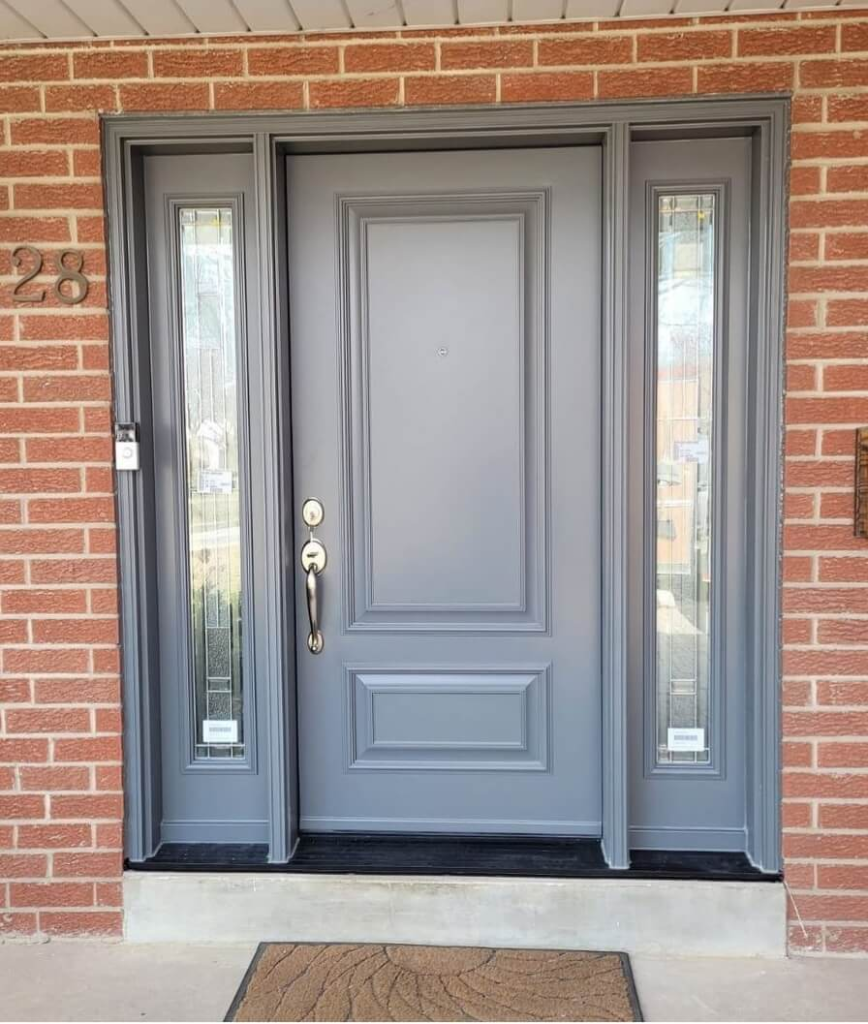
An exterior door does more than provide an entrance to your home. It contributes to your property’s curb appeal, supports security, helps maintain indoor comfort, and influences how your home looks and functions every day. If your current door is outdated, difficult to operate, or showing signs of wear, replacing it can be a worthwhile home improvement.
However, choosing exterior doors Oakville homeowners can depend on involves more than selecting an attractive design. You need to consider the local climate, material quality, insulation, security features, maintenance requirements, and how the door complements your home’s architecture.
Whether you are replacing a front entrance door, upgrading a patio entrance, or planning a broader exterior renovation, understanding these factors can help you make a more informed investment.
The right choice also depends on how the entrance is used. A front door that receives frequent visitors may need a different combination of glass, hardware, and privacy features than a side entrance used mainly by household members. Evaluating these needs before comparing products can help you avoid paying for features that are not useful or overlooking details that matter every day.
Why Exterior Door Quality Matters for Oakville Homes
Oakville experiences changing seasonal conditions, including cold winters, warm summers, rain, and periods of humidity. Exterior doors are exposed to these conditions throughout the year, which means their construction and installation can influence long-term performance.
A poorly insulated or damaged door may allow drafts and unwanted moisture to enter. Over time, exposure to changing temperatures and weather can also affect certain door materials, finishes, and seals.
A well-selected exterior door should be designed to handle regular use and outdoor exposure while maintaining a comfortable indoor environment. It should also fit securely within the existing opening and work smoothly throughout different seasons.
For homeowners, this makes product quality an important consideration rather than focusing only on the initial appearance.
For example, a door that feels difficult to close during colder months may have an alignment, hardware, or weatherstripping issue. Water marks near the threshold may indicate a problem with drainage or sealing rather than the door material alone. Identifying the cause of these problems before choosing a replacement helps ensure that the new installation addresses the actual concern.
Choose a Door Material That Suits Your Property
The material of an exterior door affects its appearance, durability, insulation, and maintenance requirements. Different materials offer different advantages, so the right choice depends on your priorities and the location of the entrance.
1. Fibreglass Exterior Doors
Fibreglass doors are a popular option for homeowners looking for durability and relatively low maintenance. They can be designed to resemble the appearance of natural wood while offering resistance to many common forms of weather-related wear.
Many fibreglass models include insulated cores that help support indoor comfort. They are available in different finishes, colours, and decorative styles, making them suitable for a range of architectural designs.
Fibreglass can be worth considering if you want the appearance of a traditional wood door without the same level of ongoing finish maintenance. However, compare the construction, finish options, glass configuration, and warranty of individual products rather than assuming all fibreglass doors offer identical performance.
2. Steel Exterior Doors
Steel doors are often chosen for their strength and security features. They can provide a solid entrance and are available in several styles and finishes.
Quality steel doors may include insulated cores to improve thermal performance. However, the finish should be maintained properly, as scratches or damage to the protective coating can expose the underlying material to moisture.
Steel may be a practical option for a frequently used side or back entrance where durability and straightforward maintenance are priorities. Before purchasing, ask about the door’s protective finish, insulation, frame compatibility, and how any surface damage should be repaired.
3. Wood Exterior Doors
Wood doors offer a traditional appearance and natural character that can complement many home styles. They are available in different wood species, stains, and designs.
However, wood generally requires more maintenance than some alternative materials. Depending on the product and exposure, homeowners may need to inspect the finish regularly and protect the door from moisture and weather-related damage.
Wood may suit homeowners who value natural grain patterns and a distinctive entrance design. Its suitability will depend partly on how exposed the entrance is to direct sunlight, rain, and other outdoor conditions. Ask about the recommended maintenance schedule and refinishing requirements before making a decision.
Before choosing a material, compare its expected lifespan, maintenance requirements, insulation properties, and suitability for the entrance where it will be installed.
It is also useful to compare complete door systems rather than the door slab alone. The frame, threshold, weatherstripping, and installation all contribute to the finished product’s performance.
Consider Energy Efficiency and Insulation
Energy efficiency is an important factor when investing in a new exterior door. An older door with worn weatherstripping, gaps, or inadequate insulation may contribute to drafts and temperature fluctuations inside your home.
Modern exterior doors can include several features designed to improve thermal performance. These may include insulated cores, weatherstripping, quality door sweeps, and properly sealed frames.
If you are considering a door with glass panels, pay attention to the glazing. Double-pane or other energy-efficient glass options may help reduce heat transfer while allowing natural light into the entrance area. You can also learn about energy-efficient windows and their role in improving home comfort.
It is also important to consider the installation. Even a well-insulated door may perform poorly if there are gaps around the frame or the surrounding opening is not sealed correctly.
Ask about the door’s energy-performance information and the installation methods used to create a proper seal.
When comparing products, ask whether the door includes an insulated core, what type of weatherstripping is supplied, and how the threshold and frame are sealed. If you are choosing decorative glass, compare the available glazing specifications as well. These details are particularly relevant for entrances exposed to cold winter conditions or strong afternoon sunlight.
A useful step is to inspect the existing door before requesting estimates. Note where you feel drafts, whether sunlight is visible around the edges when the door is closed, and whether the bottom seal appears worn. These observations can help an installer understand which performance issues need attention.
Select a Style That Complements Your Home’s Exterior
Your exterior door is one of the most visible features of your property. Choosing a design that complements the home’s architecture can improve its overall appearance and create a more welcoming entrance.
For contemporary homes, simple designs with clean lines, minimal detailing, and modern hardware can create a coordinated look. Traditional homes may suit panelled doors, decorative glass, or finishes that reflect their architectural character.
Colour is another important consideration. A contrasting front door can become a focal point, while a neutral finish can create a more understated appearance. Consider how the door colour works with your siding, brickwork, exterior trim, windows, and garage door. For more inspiration, explore these front door designs.
Glass inserts can also change the appearance of an entrance. Clear, frosted, textured, or decorative glass can introduce natural light while offering different levels of privacy.
The best design is one that looks appropriate for your property and remains practical for everyday use.
Before finalising a colour or finish, compare samples with the home’s existing exterior materials. A colour that looks neutral indoors may appear different in natural daylight. Also consider whether the new door will coordinate with nearby window frames, porch details, and exterior lighting. This can help the entrance feel like part of the overall design rather than a separate feature.
Evaluate Security Features Before Making a Decision
An exterior door is an important part of your home’s security. When comparing options, look beyond the door’s appearance and consider the strength of the complete entry system.
Important features include the door’s construction, frame quality, hinges, locking mechanism, and the way the door is secured within the opening.
A strong door installed in a weak or poorly fitted frame may not provide the level of protection you expect. Similarly, hardware should be suitable for the door’s weight, design, and frequency of use.
Consider features such as reinforced strike plates, quality deadbolts, secure hinges, and suitable locking systems. If the door includes glass panels, ask about the available glass options and how they are designed to support security. You can find additional guidance on home door security.
A professional assessment can help identify the right combination of door construction and hardware for your entrance.
Also consider the condition of the existing frame and the way the door closes. A lock may be difficult to operate if the door is misaligned, while worn hinges or loose hardware can affect the overall fit. Ask whether the proposed replacement includes suitable hardware and whether the frame or strike area requires reinforcement.
If privacy is important, consider the placement and type of glass. Decorative or frosted glazing may allow daylight into the entrance while limiting direct visibility from outside. The right choice should balance the amount of natural light you want with your household’s privacy preferences.
Understand the Importance of Weather Resistance
Exterior doors must withstand regular exposure to outdoor conditions. In Oakville, changing temperatures, rain, humidity, and winter weather make weather resistance an important part of the selection process.
Look for doors with suitable finishes, weatherstripping, and sealing systems. These features help limit water penetration and reduce air leakage around the door.
The threshold also deserves attention. A properly fitted threshold can help create a more effective barrier against drafts and moisture entering from outside.
If your existing door has visible water damage, swelling, peeling finishes, or deteriorating seals, investigate whether the problem is limited to the door or also involves the surrounding frame and structure.
Choosing a weather-resistant product and ensuring correct installation can help reduce future maintenance concerns.
Pay particular attention to the bottom of the entrance. Water can collect around thresholds if drainage is inadequate or the surrounding exterior surface directs moisture towards the door. Ask the installer to check the threshold, perimeter sealing, and condition of the surrounding materials. Replacing the door without addressing an existing water-entry problem may not resolve the underlying issue.
Think About How You Use Each Entrance
Not every exterior door serves the same purpose. A front entrance, side door, patio door, and back entrance may have different requirements.
A front door often plays a major role in curb appeal and security. Homeowners may prefer a distinctive design, decorative glass, and hardware that complements the entrance.
A side or back door may need to prioritise durability, privacy, and convenient everyday access. If the entrance connects to a garden or outdoor living area, a design with larger glass panels may help create a brighter transition between indoor and outdoor spaces. Homeowners considering this option can explore patio door ideas.
Before choosing a replacement, consider how frequently the door is used, who uses it, whether it needs to accommodate furniture or equipment, and how much natural light you want in the surrounding area.
Thinking about these practical details can help you select a door that works well beyond its visual appeal.
For a busy household, ease of operation may be just as important as appearance. Consider whether children or older family members will use the entrance, whether the handle is comfortable to operate, and whether the door provides enough clearance for carrying groceries or moving larger items. For patio or garden access, think about how the door connects with the outdoor space and whether its configuration suits the available area.
Consider Door Size, Configuration, and Hardware
The dimensions and configuration of an exterior door can affect both its appearance and functionality. Standard single doors may suit many entrances, while wider openings may accommodate double doors or other configurations.
Before ordering a replacement, accurate measurements are essential. The height, width, frame condition, threshold, and available clearance should all be assessed.
You should also consider which way the door opens and whether there is enough space for comfortable operation. Hardware choices, including handles, locks, hinges, and door closers where required, should match the door’s design and intended use.
If you are planning to change the size of the opening or switch to a different configuration, additional construction work may be necessary. Discuss these requirements before finalising your selection.
Do not rely only on the visible width and height of the existing door when ordering a replacement. The installer may need to assess the frame, rough opening, sill, and surrounding trim to confirm the correct specifications. If you are considering double doors or a wider entrance, ask about the additional space, hardware, and structural work involved.
Understand the Full Cost of Exterior Door Replacement
The cost of a new exterior door depends on several factors. Material, dimensions, design complexity, glass features, hardware, and installation requirements can all influence the final investment.
A basic replacement may involve fitting a new door into an existing suitable frame. More involved projects may require frame repairs, adjustments to the opening, new trim, threshold work, or additional finishing.
It is useful to compare estimates based on the complete scope of work rather than the door’s purchase price alone. Ask whether the quote includes removal of the old door, disposal, installation, sealing, hardware, and finishing. For broader planning, review this replacement cost guide.
You should also clarify whether any additional repairs will be charged separately. Understanding these details before work begins can make budgeting easier and reduce unexpected costs.
When comparing quotations, make sure each estimate covers a similar product and installation scope. One quote may include a new frame, upgraded hardware, and finishing, while another may cover only the door itself. Comparing the complete details gives you a more realistic picture of the total investment.
Also ask whether the price could change if the installer discovers damaged framing, moisture-related deterioration, or an opening that needs adjustment. Knowing how unexpected work will be assessed and approved can help you plan your renovation budget more confidently.
Why Professional Installation Makes a Difference
Correct installation is essential to the performance of an exterior door. Measurements, alignment, frame preparation, insulation, and sealing all affect how well the finished door operates.
If a door is installed unevenly, it may become difficult to open or close. Poor sealing can also contribute to drafts, moisture entry, and reduced energy efficiency.
Professional installation helps ensure that the door is properly fitted, aligned, secured, and sealed. An experienced installer can also identify problems with the existing frame or surrounding structure that may need attention before the new door is fitted. Learn more about the installation process.
Northridge Windows & Doors can help Oakville homeowners explore exterior door options that suit their properties, design preferences, and practical requirements.
A useful installation checklist should include confirming the measurements, checking the condition of the opening, preparing the frame, fitting the door securely, and sealing the perimeter. The completed door should open and close smoothly, sit evenly within the frame, and have properly fitted weatherstripping and threshold components.
Before the project begins, ask what preparation is required around the entrance and whether interior or exterior trim will be affected. This helps you understand the work involved and plan for any additional finishing after installation.
How to Prepare for Your Exterior Door Replacement Project
Before installation, take time to review the details of your project. Confirm the selected door’s measurements, material, colour, glass configuration, hardware, and opening direction.
Discuss the condition of the existing frame and whether any repairs or adjustments may be required. If the entrance has visible signs of moisture damage or structural deterioration, make sure these issues are assessed before installation.
You should also plan for temporary access arrangements while the old door is removed and the replacement is fitted. Keeping the entrance area clear can help the installation process run more smoothly.
Having these details confirmed in advance helps ensure that the finished door meets your expectations.
You can prepare by removing furniture, footwear, planters, and other items near the entrance. If the door is your household’s main access point, discuss the expected installation schedule and temporary access arrangements with the installer. It is also worth confirming who will handle the removal of the old door and disposal of the materials.
Before approving the final order, review the product specifications, finish, glass design, hardware, warranty information, installation scope, and estimated timeline. Keeping these details together makes it easier to confirm that the delivered door matches what you selected.
Choosing Exterior Doors in Oakville with Confidence
A new exterior door should provide more than an updated appearance. It should suit your home’s design, support security, withstand local weather conditions, and offer reliable everyday operation.
When comparing exterior doors Oakville homeowners may consider, focus on the complete product and installation rather than making a decision based on price or style alone. Compare materials, insulation, weather resistance, hardware, maintenance requirements, and the condition of the existing opening.
Northridge Windows & Doors can help you explore suitable options and understand the features that matter when upgrading your home’s entrances.
A good decision starts with identifying the main reason for replacing the door. If your priority is reducing drafts, focus on insulation and sealing. If you want to improve curb appeal, compare designs, finishes, and glass options. If security is your main concern, evaluate the door, frame, hinges, and locking system together. This makes it easier to select a product that addresses your actual needs.
Conclusion
Investing in a new exterior door is an opportunity to improve your home’s curb appeal, comfort, security, and everyday functionality. The right choice depends on several factors, including material, design, energy efficiency, weather resistance, hardware, and installation quality.
Before selecting exterior doors Oakville homeowners should consider, assess the needs of each entrance and compare products based on long-term performance as well as appearance. A carefully planned replacement can create a more welcoming entrance while supporting the practical needs of your household.
Northridge Windows & Doors can help you explore exterior door options that complement your property and fit your renovation goals.
Frequently Asked Questions
1. What is the best material for an exterior door in Oakville?
Fibreglass, steel, and wood are common exterior door materials. Fibreglass offers relatively low maintenance, steel is valued for its strength, and wood provides a traditional appearance. The best option depends on your design preferences, maintenance expectations, and performance requirements.
Homeowners should also consider how exposed the entrance is to rain, sunlight, and changing temperatures. Comparing the complete door system, including its frame and weatherstripping, can help identify a suitable option.
2. Are insulated exterior doors worth the investment?
Insulated exterior doors can help reduce unwanted heat transfer and improve indoor comfort. Their effectiveness also depends on the quality of the frame, weatherstripping, threshold, and installation.
3. How do I know when my exterior door needs replacing?
Signs may include drafts, difficulty opening or closing, visible damage, deteriorating weatherstripping, moisture around the frame, or condensation between glass panes. A professional assessment can help determine whether replacement is appropriate.
If the door has started sticking or leaking, it is important to determine whether the cause is the door itself, the frame, or a sealing issue. This can help you decide whether repair or full replacement is the more appropriate solution.
4. Can I change the style or size of my existing exterior door?
Yes, depending on the property’s structure and the available opening. Changing the door size or configuration may require additional framing or construction work, so the opening should be assessed before ordering a replacement.
5. What should be included in an exterior door installation quote?
A detailed quote should clarify the door specifications, removal of the existing door, installation, hardware, sealing, disposal, and any required frame or trim work. Ask whether potential repairs or additional construction will be charged separately.
It is also useful to confirm the installation timeline, product and workmanship warranty details, and how any unexpected work will be communicated and approved.

