
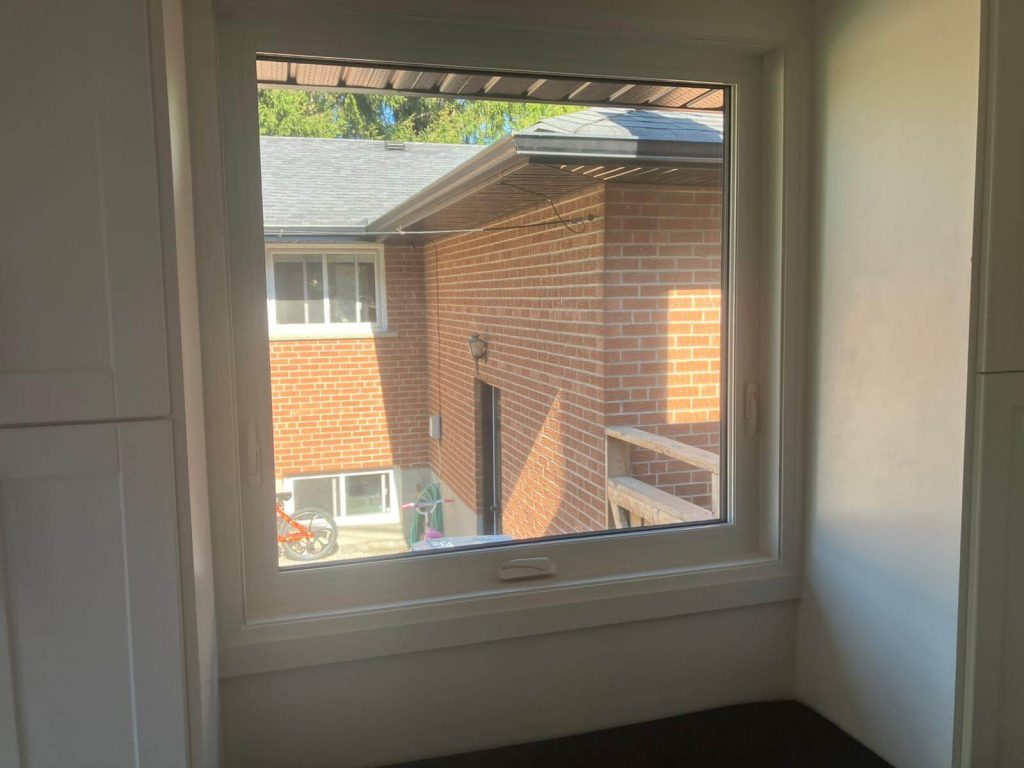
Finding the best window materials for Toronto homes starts with understanding the city’s tough, fast-changing weather. Toronto gets freezing winters, snow, wind, and humid summers. Therefore, your window frames must handle moisture, expansion, and heat loss without constant repairs.
The right material improves insulation, reduces drafts, and helps control condensation. It can also lower energy bills and improve comfort year-round. In this guide, we compare popular window frame materials and explain which performs best in Toronto’s climate.
At Northridge Windows & Doors, we help homeowners choose windows built for Canadian conditions. Additionally, we focus on durable frames, efficient glass, and proper installation for long-term results.
Why window material matters in Toronto’s climate
Toronto weather puts pressure on window frames in every season. In winter, deep cold and wind test seals and insulation. In summer, humidity and heat can cause swelling, movement, and moisture buildup.
As temperatures shift, materials expand and contract. Over time, weaker frames may warp, crack, or lose their airtight seal. As a result, you may notice drafts, condensation, and higher heating or cooling costs.
Choosing a strong, energy-efficient window frame helps prevent these problems. It also improves indoor comfort and protects your home from moisture damage.
Best window materials for Toronto homes: top frame options
Several window frame materials are common in Toronto. Each option has different strengths for energy efficiency, durability, and maintenance.
Vinyl window frames
Vinyl is a popular choice for Toronto homeowners because it offers strong value. It is affordable, low-maintenance, and naturally resistant to moisture.
- Good insulation, especially with multi-chamber designs
- No repainting needed
- Resists rot and corrosion in wet conditions
For many homes, vinyl windows provide a solid balance of performance and cost.
Fiberglass window frames
Fiberglass windows are known for strength and stability. They resist expansion and contraction better than many materials, which helps in Toronto’s temperature swings.
- High durability and long service life
- Excellent energy performance with insulated glass
- Strong resistance to warping and cracking
Although fiberglass often costs more upfront, it can be a smart long-term investment.
Wood window frames
Wood windows offer a classic look that suits heritage and traditional homes. Wood also insulates well, which can help provide comfort in winter.
However, wood needs regular maintenance. Without proper care, moisture can lead to rot, peeling paint, and long-term damage.
Aluminum window frames
Aluminum frames work well for modern designs because they are strong and slim. They are often used for large glass areas and contemporary styles.
However, aluminum conducts heat more than vinyl or fiberglass. Modern thermal breaks improve performance, but aluminum is still usually less efficient in cold climates.
Vinyl vs fiberglass windows in Toronto: how to choose
Many homeowners compare vinyl vs fiberglass windows in Toronto because both perform well in Canadian weather. The best choice depends on your priorities.
- Budget: Vinyl is typically more affordable.
- Long-term durability: Fiberglass is stronger and more stable.
- Energy efficiency: Both can be highly efficient with quality construction.
- Maintenance: Both are low-maintenance and resist moisture.
Most importantly, installation quality affects performance as much as the material. Even the best frame can underperform if it is not sealed correctly.
Best window materials for energy efficiency in Toronto homes
Energy efficiency matters in Toronto because the heating season is long and temperatures often swing. To reduce heat loss, the frame and glass must work together as a system.
Vinyl multi-chamber frames can reduce heat transfer. Fiberglass frames also support excellent thermal performance, especially with high-quality glazing. Additionally, upgrading glass can make a major difference.
- Double-pane windows: A common, cost-effective option for many homes
- Triple-pane windows: Better insulation and noise reduction for busy streets
- Low-E coatings: Help reflect heat and stabilize indoor temperatures
- Gas-filled units: Reduce heat transfer between panes
For the best results, pair an efficient frame with modern insulated glass and professional installation.
How Toronto winters affect window performance
Winter is when window problems show up fast. Drafts often come from worn seals, poor installation, or aging frames. When cold air enters, your furnace runs longer, which raises costs.
Condensation is another common issue. If moisture collects on or around the window, it may signal weak insulation or airflow problems. Over time, that moisture can damage trim and encourage mold growth.
Strong materials, airtight sealing, and proper insulation around the frame help prevent winter performance issues.
Durable, low-maintenance window frames for Canadian weather
For Canadian climates, durability and low upkeep matter. Homeowners often prefer materials that resist moisture, corrosion, and temperature-related stress.
Vinyl and fiberglass are both strong choices for long-term performance. Fiberglass stands out for structural stability. Vinyl stands out for value and minimal maintenance. However, both can deliver excellent results when matched to the right home and installed correctly.
Choosing windows for different Toronto home styles
Window material should match both performance needs and the look of your home. Different property types often benefit from different frame options.
- Modern homes: Fiberglass or thermally broken aluminum for clean lines and strength
- Heritage homes: Wood, or wood-look options that preserve classic style
- Condos and urban homes: Triple-pane vinyl or fiberglass for noise control and efficiency
In every case, aim for a balance of curb appeal, insulation, and weather resistance.
Important performance features beyond frame material
Frame material matters, but other features also impact comfort and efficiency. For example, poor seals can cause air leaks even with a high-end frame.
- Quality weatherstripping: Helps block drafts and moisture
- Strong frame construction: Improves long-term stability
- Low-E and insulated glass: Supports temperature control in every season
- Professional installation: Prevents gaps, heat loss, and water intrusion
Evaluate the full window system, not just the frame, to get the best performance in Toronto.
Signs it may be time to replace your windows
Old windows often show clear warning signs. Replacing them can improve comfort and reduce energy waste.
- Rising heating or cooling bills
- Drafts and uneven room temperatures
- Condensation between panes (seal failure)
- Windows that stick, jam, or will not lock properly
- Visible frame damage, warping, or moisture issues
New energy-efficient windows can boost comfort and add value to your property.
How to choose the best window material for your home
The best window materials for Toronto homes depend on your budget, style goals, and performance needs. Vinyl is often ideal for homeowners who want great insulation at a lower cost. Fiberglass is ideal for homeowners who want maximum strength and stability.
Also consider your home’s exposure to wind, noise, and direct sun. Then, choose an efficient glass package that fits your comfort goals. Finally, work with experienced installers to ensure airtight, weather-resistant results.
Ready to upgrade your windows? Contact Northridge Windows & Doors to discuss energy-efficient options built for Toronto weather and get expert guidance on the right frame and glass system.
FAQs
1. What are the best window materials for Toronto homes?
Vinyl and fiberglass are widely considered the best choices because they offer strong insulation, durability, and moisture resistance in Toronto’s climate.
2. Are vinyl or fiberglass windows better for Toronto weather?
Both work well. Vinyl is usually more affordable, while fiberglass offers higher strength and better resistance to temperature-related movement.
3. Why are energy-efficient windows important in Toronto?
They reduce heat loss in winter and limit heat gain in summer. As a result, they improve comfort and can lower energy bills.
4. How do Toronto winters affect window performance?
Cold temperatures and wind can cause drafts, heat loss, and condensation if frames or seals are weak or installation is poor.
5. When should homeowners replace old windows?
Replace windows when you notice drafts, higher energy bills, condensation between panes, operating issues, or visible frame damage. Northridge Windows & Doors can help assess the best replacement option.

