
Window types play an important role in both new construction and home renovation projects. They do much more than bring natural light indoors, as they also affect ventilation, energy efficiency, curb appeal, comfort, and the functionality of each room. With numerous styles available, knowing how different window types work can help create a home that is both attractive and practical.
At Northridge Windows & Doors, we help homeowners find window solutions that suit their lifestyle while enhancing comfort and long-term value. Whether you are upgrading outdated windows or planning a new home, the right style for each space can make a significant difference.
Why Choosing the Right Window Types Matters
Every room in your home has unique lighting, ventilation, and privacy needs. The best window types for a living room may not be the ideal choice for a bathroom or kitchen.
Well-chosen windows improve airflow, maximize daylight, reduce energy loss, and enhance your home’s appearance. They can also increase property value and create a more comfortable indoor environment throughout the year.
By understanding the purpose of each window style, homeowners can make informed decisions that balance aesthetics with performance.
Casement Windows for Maximum Ventilation
Casement windows are among the most popular window types for homeowners seeking excellent airflow. Hinged on one side, they open outward using a crank, allowing fresh air to enter the home efficiently.
These windows create a tight seal when closed, making them an energy efficient choice for many climates. They work especially well in kitchens, bathrooms, and bedrooms where ventilation is important.
Their unobstructed glass design also provides clear outdoor views and allows abundant natural light into the room.
Double Hung Windows for Everyday Versatility
Double hung windows remain one of the most common window types because they combine traditional style with practical functionality.
Both the upper and lower sashes can move independently, allowing homeowners to control airflow while making cleaning easier. Many modern designs feature tilt-in sashes that simplify maintenance from inside the home.
Double hung windows suit almost every room and complement a wide variety of architectural styles, from classic homes to modern designs.
Sliding Windows for Wide Openings
Sliding windows operate horizontally along a track, making them an excellent option for wide wall spaces.
These window types are easy to operate and provide generous natural light. Since they do not swing inward or outward, they work well in areas where exterior space may be limited.
Living rooms, basements, and rooms overlooking patios often benefit from sliding windows because they create expansive outdoor views while maintaining simple operation.
Picture Windows for Natural Light
If maximizing daylight is your priority, picture windows are one of the most effective window types available.
These large, fixed windows do not open, allowing uninterrupted views and exceptional energy efficiency due to their sealed construction. Picture windows are often combined with operable windows to balance ventilation with natural light.
They work particularly well in living rooms, dining rooms, and spaces featuring scenic outdoor landscapes.
Awning Windows for Year-Round Ventilation
Awning windows are hinged at the top and open outward from the bottom.
These window types allow ventilation even during light rain because the open sash helps protect the window opening from moisture. Their compact size makes them ideal for bathrooms, basements, laundry rooms, and areas requiring additional airflow.
Awning windows are also commonly installed above or below larger fixed windows to improve ventilation while maintaining design consistency.
Bay and Bow Windows for Added Space
Homeowners looking to create a dramatic focal point often choose bay or bow windows.
These window types project outward from the home’s exterior, creating additional interior space while bringing in more natural light from multiple directions.
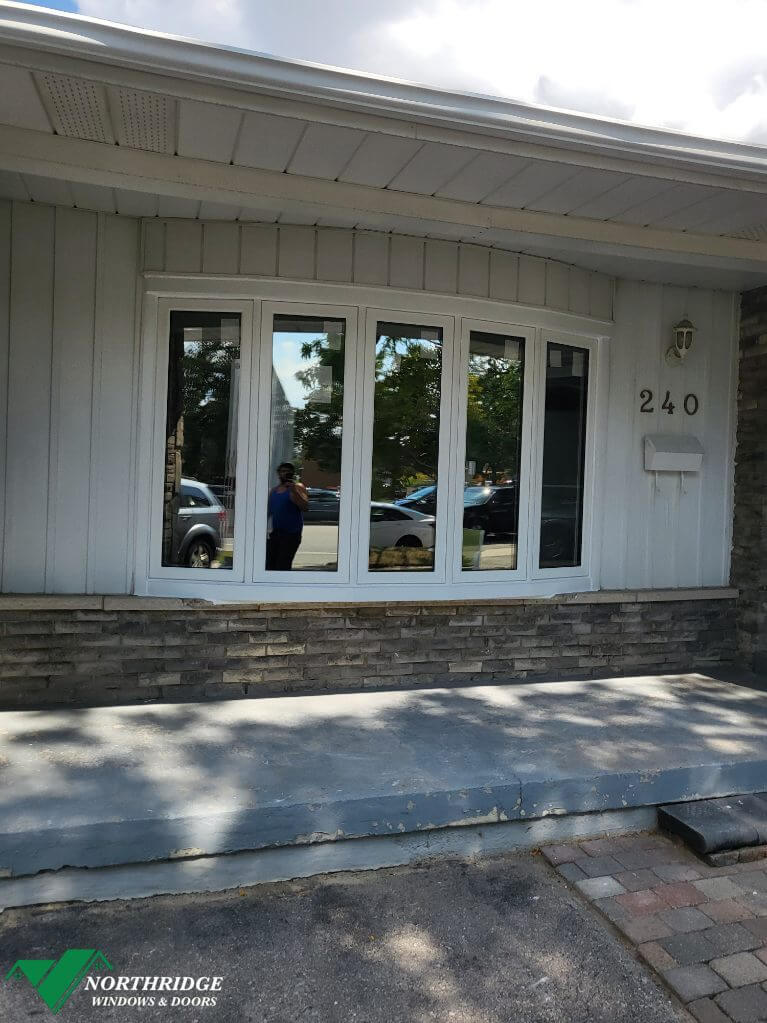
Bay windows usually consist of three panels, while bow windows feature four or more connected sections that create a gentle curve. Both options can make rooms feel larger and more open while increasing curb appeal.
They are popular choices for living rooms, family rooms, and primary bedrooms.
Matching Window Types to Each Room
Selecting the best window types involves considering how each room functions.
- Living rooms often benefit from picture, sliding, or bay windows because they maximize daylight and outdoor views.
- Kitchens typically perform well with casement or sliding windows that provide convenient ventilation while cooking.
- Bathrooms require privacy along with airflow, making awning or smaller casement windows excellent choices.
- Bedrooms should prioritize ventilation, natural light, and emergency exit requirements, making double hung or casement windows practical options.
- Basements frequently use sliding or awning windows depending on available wall space and ventilation needs.
Choosing windows based on each room’s purpose creates a more comfortable and functional home.
Energy Efficiency and Window Selection
Modern window types offer significant improvements in energy efficiency compared to older window designs.
High quality windows with insulated frames, multiple panes of glass, and advanced sealing systems help reduce heat transfer throughout the year. This improves indoor comfort while lowering heating and cooling costs.
Selecting energy efficient windows also reduces drafts and helps maintain more consistent indoor temperatures regardless of the season.
Working with experienced professionals ensures homeowners choose products suited to their local climate and performance expectations.
Choosing the Right Window Replacement Partner
Replacing windows is a long term investment that deserves careful planning. Beyond selecting the right window types, professional installation plays an important role in achieving optimal performance.
Experienced installers ensure proper measurements, secure fitting, weather resistant sealing, and smooth operation for years to come. Homeowners searching for the best window replacement Toronto provider should prioritize quality products, skilled craftsmanship, and personalized recommendations based on their home’s unique needs.
At Northridge Windows & Doors, we help homeowners select windows that combine style, durability, energy efficiency, and lasting value.
Conclusion
Choosing the right window types can dramatically improve your home’s appearance, comfort, energy efficiency, and everyday functionality. From versatile double hung windows to expansive picture windows and highly ventilated casement designs, every style offers unique advantages for different spaces.
Understanding how each window performs allows homeowners to create brighter, more comfortable living environments while increasing the long-term value of their property. Whether you are planning a complete renovation or replacing a few aging windows, Northridge Windows & Doors is committed to helping you find high-quality solutions that suit your home, lifestyle, and budget.
Ready to get started? Contact our team to discuss your project and request a personalized quote.
FAQs
1. What are the most common window types for homes?
The most common window types include casement, double hung, sliding, picture, awning, bay, and bow windows. Each style offers unique benefits for ventilation, natural light, energy efficiency, and overall functionality.
2. Which window types are the most energy efficient?
Casement and picture window types are often considered among the most energy efficient because they provide a tight seal when closed, helping reduce drafts and improve indoor comfort.
3. How do I choose the right window types for each room?
The best window types depend on the room’s purpose. Living rooms benefit from large windows that maximize natural light, kitchens often require good ventilation, while bathrooms need a balance of airflow and privacy.
4. Can replacing old window types improve my home’s energy efficiency?
Yes. Upgrading outdated window types with modern, energy-efficient windows can help reduce heat loss, improve insulation, lower energy bills, and make your home more comfortable throughout the year.
5. Are different window types suitable for different architectural styles?
Absolutely. Various window types complement different home designs. Traditional homes often feature double hung or bay windows, while contemporary homes commonly incorporate casement, sliding, or large picture windows for a modern appearance.

