
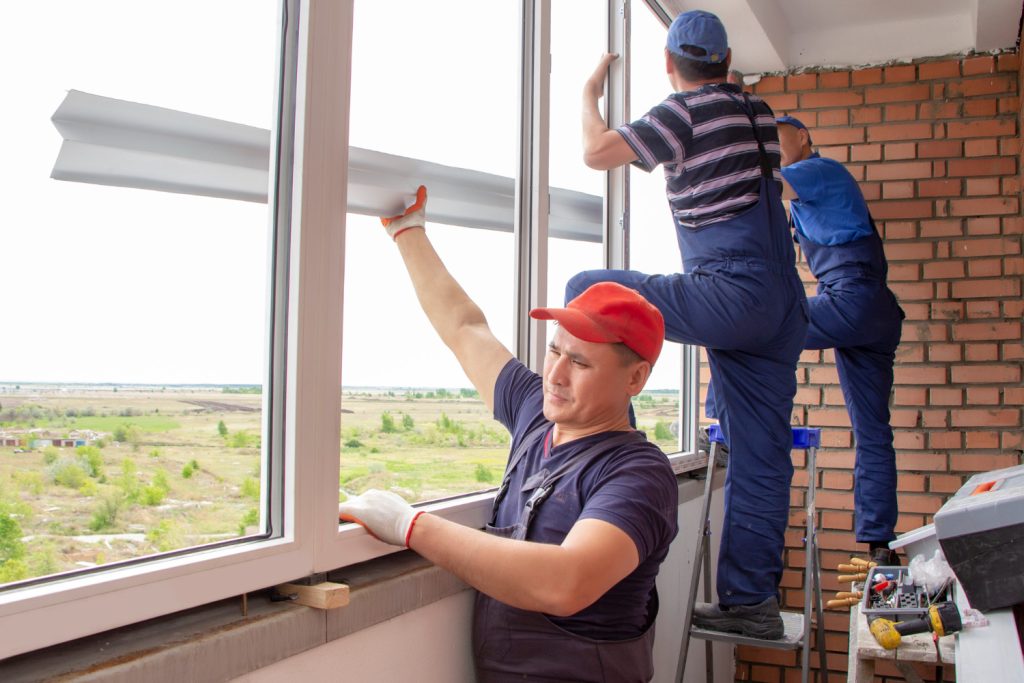
If you have been dealing with rising heating costs, drafty rooms, or windows that never seem to look or feel “right,” you may be closer than you think to the decision to replace windows in your home. Many homeowners wait because they assume window problems are normal in older houses, but the truth is that common comfort issues often point to window performance failures that get worse over time. When you replace windows in your home at the right moment, you can improve comfort, reduce drafts, and modernize curb appeal in one project.
In this guide, Northridge Windows & Doors covers the clearest signs that it is time to replace windows in your home, how to confirm what is really happening, and how to choose upgrades that make sense for Canadian conditions. You will also learn how styles like Casement Windows, Awning Windows, Bay And Bow Windows, and Tilt And Turn Windows can solve specific problems while improving the look of your exterior. If you want a clear, practical checklist for when to replace windows in your home, this is for you.
Persistent Drafts And Cold Zones Near The Glass
One of the most common reasons homeowners decide to replace windows in your home is persistent drafts. If you feel air movement around the frame, or if the room feels chilly whenever wind picks up, your windows may be leaking air or allowing cold convection near the glass. In Canadian winters, even small leaks can feel dramatic because the temperature difference between indoors and outdoors is large. Over time, these drafts often lead homeowners to raise the thermostat, which adds cost without actually fixing the comfort problem, and eventually pushes the decision to replace windows in your home.
Cold zones are another major clue. If you avoid sitting near windows in winter, or if a bedroom stays noticeably colder than the rest of the house, your window system may be underperforming. This can happen due to older glass packages, worn weatherstripping, or gaps around the opening. When you replace windows in your home with a modern package and proper installation, the interior glass can feel warmer, drafts reduce, and the room becomes usable again even during cold snaps.
How To Tell If It’s A Window Leak Or A General Insulation Issue
A quick way to confirm you should replace windows in your home is to compare rooms. If the cold zone is strongest directly beside the window and changes with wind direction, it often points to window leakage. If the entire room is cold in a broad way, insulation or air sealing elsewhere may also be contributing, but leaky windows can still be a major part of why you need to replace windows in your home.
Condensation, Frost, Or Moisture Problems That Keep Returning
Frequent condensation on the interior side of windows is a common reason homeowners choose to replace windows in your home. Condensation is influenced by humidity, but if it shows up repeatedly on the same windows, especially in winter, it often means the glass surface is too cold or the window system is not insulating well. Frost at the corners or along the bottom edge is an even stronger clue, because it suggests the window surface temperature is dropping very low in cold weather, which is a practical sign you may need to replace windows in your home.
Moisture problems can also show up as staining, peeling paint, or soft trim around the window. That can indicate water intrusion, poor flashing, or long-term condensation damage. If the surrounding trim is deteriorating, you may need to replace windows in your home sooner rather than later to prevent repairs from expanding into the wall structure. A solid replacement plan addresses both the window and the sealing details around the opening so moisture does not keep returning after you replace windows in your home.
Fog Between Panes Is A Different Problem
If you see haze, fog, or droplets trapped between panes and you cannot wipe it away, that often indicates insulated glass seal failure. This is one of the clearest signals to replace windows in your home or at least replace the insulated glass unit. Seal failure usually does not improve on its own, and it often worsens over time.
Difficulty Opening, Closing, Or Locking Windows
When windows become hard to open, close, or lock, many homeowners decide it is time to replace windows in your home because the issue affects daily life and safety. Sticking sashes, dragging tracks, and misaligned locks can be caused by frame warping, building movement, old hardware, or long-term wear. Even if you can force a window closed, a window that does not close properly often leaks air, which becomes another reason to replace windows in your home.
Security is part of this sign too. A window that does not lock tightly or has loose hardware can make homeowners uncomfortable, especially on ground-level windows. When you replace windows in your home, modern hardware and proper alignment can restore both smooth operation and peace of mind. This is also where upgrading to styles like Casement Windows or Tilt And Turn Windows can be useful, because these styles often provide strong closure and secure locking systems when designed and installed correctly.
When Repairs Are Not Enough
Small issues like worn weatherstripping can sometimes be repaired, but if the frame is shifting, sashes are out of square, or multiple windows have the same operating problems, it is usually more cost-effective to replace windows in your home instead of repeatedly patching issues that return.
Rising Energy Bills Without A Clear Explanation
Many homeowners decide to replace windows in your home after noticing energy bills rising year after year, especially if there were no major changes in usage. Windows can contribute to heat loss through air leakage and through poor insulating glass performance, and that loss often becomes more noticeable as windows age. If your furnace or heat pump runs longer to maintain the same temperature, and you also notice drafts or cold zones, those combined symptoms are strong reasons to replace windows in your home.
It helps to remember that comfort is often the biggest “payoff.” Even if the bill changes are gradual, the day-to-day feel of the home can improve quickly when you replace windows in your home with a better sealed, better insulated window system. If your home has large openings or high exposure sides, upgrading the most affected areas first can deliver noticeable comfort improvement and help you plan the rest of the project to replace windows in your home in stages if needed.
Why Performance Ratings Matter When Comparing Options
If you want to replace windows in your home for efficiency reasons, compare performance information like air leakage, insulating value, and overall product design, not just the brand name. Better-performing windows can reduce drafts and stabilize indoor temperature, which is often why homeowners feel the difference after they replace windows in your home.
Visible Wear, Rot, Or Damage Around Window Frames
If you see rotting wood, soft trim, peeling paint, or cracks around the frame, it may be time to replace windows in your home before damage spreads. These signs can indicate moisture intrusion, repeated condensation, or long-term exposure problems. When window openings are compromised, repairs become more complex because you may need carpentry work along with replacement. Acting earlier can keep the scope smaller and make it easier to replace windows in your home with clean finishing.
You should also watch for signs like water staining on drywall near windows, bubbling paint, or a musty smell in the window area. These can indicate hidden moisture issues. When you replace windows in your home, a proper approach includes addressing flashing, sealing, and any damaged framing so the new windows are not installed into an opening that will continue causing problems.
Don’t Ignore Small Gaps And Failed Caulking
Cracked exterior caulk, separated trim, and visible gaps can allow wind and water to enter. Even if the window glass seems fine, these issues often lead homeowners to replace windows in your home because the opening no longer seals properly and comfort problems keep returning.
Quick Checklist Before You Replace Windows In Your Home
If you are not sure whether you should replace windows in your home, a quick checklist can help you confirm what you are experiencing. The most reliable approach is to look for patterns across seasons: drafts in winter, overheating near windows in summer sun, condensation during cold snaps, and operating problems year-round. If you see multiple symptoms, it is usually a strong sign to replace windows in your home rather than continuing to patch problems.
This checklist also helps you plan what to replace first. Many homeowners replace windows in your home starting with the rooms they use most, or the elevations that get the most wind exposure. A thoughtful plan can keep budgets manageable while still delivering a clear comfort improvement after you replace windows in your home.
- Drafts or air movement near window edges
- Cold zones near glass in winter
- Condensation that appears often on the same windows
- Frost at corners or along bottom edges
- Fog or haze between panes
- Windows that stick or will not lock properly
- Visible rot, peeling paint, or soft trim near the frame
- Outside noise feels louder than it used to
- Energy bills rising without other clear causes
Choosing Window Styles That Solve Common Problems
Once you decide to replace windows in your home, style selection should match the problems you are trying to solve. Casement Windows are often chosen for strong sealing potential and clean curb appeal, which can help reduce drafts when closed. Awning Windows can work well in bathrooms and basements where you want ventilation without sacrificing privacy. Bay And Bow Windows can add curb appeal and interior space, but they also create larger glass areas where a strong performance package matters if you want comfort after you replace windows in your home.
Tilt And Turn Windows are a premium option often chosen for modern aesthetics and flexible ventilation, and they can be a strong choice when homeowners want both style and comfort upgrades. Many homeowners also coordinate window projects with Entry Doors and Patio Doors so the exterior looks cohesive and the home envelope feels tighter overall. A coordinated plan can make it feel like a true exterior transformation after you replace windows in your home, not just a functional repair.
Match Style To Room Use And Exposure
If you plan to replace windows in your home, start by identifying your highest-priority rooms and exposures. Wind-facing sides, large living room openings, and bedrooms often deliver the biggest comfort difference. Secondary spaces may not need the same level of upgrades, but consistent exterior finishes help keep your curb appeal unified after you replace windows in your home.
Canadian Government Resources To Guide Smarter Window Upgrades
If your goal is to replace windows in your home for comfort and efficiency, it helps to use reliable Canadian guidance. Natural Resources Canada provides information about upgrading windows and exterior doors as part of reducing heat loss and improving home comfort, which supports better decisions when planning replacements.
Natural Resources Canada also provides a buyer-focused guide for shopping windows and doors, which can help you compare features and understand what matters beyond marketing language. This is useful when you want to replace windows in your home and choose a package that fits Canadian conditions.
Why Choose Northridge Windows & Doors
Northridge Windows & Doors helps homeowners replace windows in your home with a clear plan built around real symptoms and real room needs. We start by identifying the problems you are experiencing, such as drafts, condensation patterns, seal failures, or operating issues, then recommend solutions that address the root cause. Whether you want Casement Windows for stronger closure and curb appeal, Awning Windows for smart ventilation in privacy areas, Bay And Bow Windows for a feature upgrade, or Tilt And Turn Windows for a modern performance-focused design, we guide you toward options that make sense for your home.
We also focus on the full system, not just the window unit. When you replace windows in your home, installation details like sealing, flashing, and clean finishing make the difference between a project that looks good on day one and one that stays comfortable for years. If you want a cohesive exterior refresh, we can also coordinate window upgrades with Entry Doors and Patio Doors so your home looks consistent and feels tighter across the entire envelope after you replace windows in your home.
Use The Signs To Replace Windows In Your Home At The Right Time
The clearest sign you should replace windows in your home is when multiple issues show up at once: drafts, cold zones, condensation problems, operating failures, and rising energy costs. These symptoms usually do not go away on their own, and they often become more expensive if you wait until moisture damage spreads or seals fail across many windows. When you replace windows in your home at the right moment, you improve comfort, reduce draft complaints, and modernize curb appeal in a way that you can feel every season.
If you are ready to replace windows in your home and want expert guidance, Northridge Windows & Doors is here to help. Share the rooms that feel cold, the windows that fog, and the issues you notice most, and we will recommend a plan that fits your home and your budget. Contact Northridge Windows & Doors to schedule a consultation and move forward with confidence.
Frequently Asked Questions
- What are the most common reasons to replace windows in your home?
Drafts, cold zones, condensation, fog between panes, and windows that will not open or lock properly are common reasons to replace windows in your home. - Does condensation mean I must replace windows in your home?
Not always, but frequent condensation on the same windows can be a sign of poor performance and may indicate it is time to replace windows in your home. - If I see fog between panes, should I replace windows in your home right away?
Fog between panes often indicates seal failure, and it is a strong reason to replace windows in your home or replace the insulated glass unit. - Can repairs delay the need to replace windows in your home?
Sometimes. Weatherstripping or minor sealing repairs can help, but widespread issues often mean it is smarter to replace windows in your home. - Which window styles are best when I replace windows in your home?
Many homeowners choose Casement Windows, Awning Windows, Bay And Bow Windows, or Tilt And Turn Windows depending on ventilation, exposure, and curb appeal goals when they replace windows in your home. - Should I replace windows in your home before winter?
If drafts and cold zones are a problem, many homeowners prefer to replace windows in your home before winter so comfort improvements are immediate. - Where can I learn more before I replace windows in your home?
Natural Resources Canada resources on upgrading windows and shopping guidance can help you plan and compare options before you replace windows in your home.

