
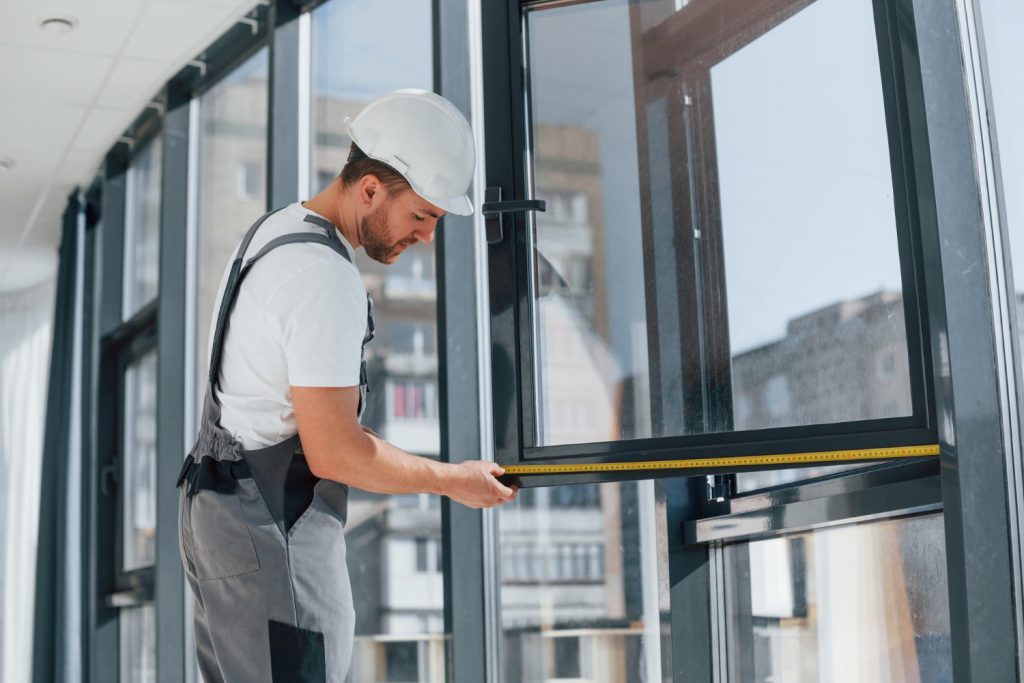
Ordering replacement windows is different from buying a product directly from a store shelf. Most homeowners need windows sized and configured for specific openings, with decisions involving operating style, glass, frame colour, hardware, grille patterns, efficiency features, and installation requirements. That is why custom window lead time can extend for several weeks between signing an order and seeing the finished windows installed. The waiting period is not simply idle time. It includes measuring, order verification, manufacturing, glazing, quality control, transportation, and installation scheduling.
Northridge Windows & Doors helps GTA homeowners understand this process before an order is finalized. While homeowners may hear planning estimates such as six to eight weeks for some projects, custom window lead time is not fixed and should always be confirmed for the specific order. Product complexity, manufacturing demand, season, glass configuration, colour, quantity, and other factors can change the schedule. This guide explains what happens during the wait, why made-to-order windows require time, and how you can plan your project without creating unrealistic installation expectations.
Why Custom Windows Are Not Usually Available Immediately
Replacement windows need to fit the existing home accurately, and houses do not all have identical rough openings. Even openings that appear to be standard can vary because of original construction, renovations, framing changes, masonry, trim, and previous window installations. Before manufacturing begins, dimensions and product specifications must therefore be established carefully. This is one of the first reasons custom window lead time is longer than the purchase of an off-the-shelf home improvement product.
Customization also extends beyond dimensions. Homeowners may select Casement Windows, Awning Windows, Bay And Bow Windows, fixed units, different glass packages, colours, hardware, and decorative details. Northridge Windows & Doors states that its windows are made in Canada and offers several window styles, so an order can involve multiple configurations throughout one house rather than a single repeated unit. Each configuration needs to match the approved project specifications, which is why window order lead time Ontario homeowners receive should be understood as a production process rather than only a delivery estimate.
Made-to-Order Means More Than Custom Sizing
Measuring and manufacturing windows involves combining the correct dimensions with the selected operating style, glass package, frame finish, hardware, and other specifications. A whole-home project may include several different configurations, so custom window lead time reflects the work required to prepare the entire order accurately rather than simply cutting every frame to one size.
Stage 1: Consultation and Product Selection
The custom window lead time process usually begins with a consultation rather than with manufacturing. Homeowners first identify which windows need replacement and what they want the project to accomplish. Draft reduction, improved comfort, easier operation, energy performance, exterior appearance, noise reduction, ventilation, and maintenance can all affect product choices. Selecting the correct window style and glass package at this stage helps prevent changes after an order has moved into production.
This is also when homeowners should discuss priorities that may affect timing. Specialty colours, Bay And Bow Windows, unusual sizes, upgraded glazing, grille designs, or a large number of openings may require different production schedules. If you have a deadline, such as a renovation, move-in date, or seasonal target, mention it before finalizing the project. Custom window lead time can then be discussed in relation to the actual products being ordered rather than a generic average.
Final Choices Should Be Confirmed Before Production
Changes made after an order is submitted can affect timing, particularly when materials have already been allocated or production has begun. Confirm window styles, colours, glass, hardware, opening direction, grille patterns, and other options carefully so the custom window lead time is not extended by preventable revisions.
Stage 2: Measuring the Existing Openings
Accurate measurements are essential to replacement window performance. Installers need to understand the dimensions and condition of each opening so the finished products can be manufactured appropriately. Measuring and manufacturing windows are closely connected because the factory depends on the information collected before production. Even a high-quality window can create installation problems if dimensions or opening conditions were misunderstood at the beginning.
Measurements may include more than the visible glass or interior frame. The installation approach, existing frame, trim, wall construction, sill condition, and opening shape can all matter. Natural Resources Canada distinguishes between insert installations and complete tear-outs and notes that inserts should be used only when the existing frame has not deteriorated and remains properly sealed and insulated. These installation decisions can influence what needs to be measured and therefore form an important part of custom window lead time planning.
Why Measuring Twice Can Save Time Later
Careful verification before manufacturing is far less disruptive than discovering an incorrect size on installation day. A detailed measuring process may feel like an extra step, but it protects the project from problems that could create far longer delays after products have already been manufactured.
Stage 3: Order Review and Manufacturing
After measurements and selections are finalized, the project moves into manufacturing. This is the part of custom window lead time that homeowners usually think of as the main waiting period. Frames and sashes must be produced according to the approved dimensions and configuration, while glass units, hardware, spacers, weatherstripping, screens, and other components must be matched to the order. Different manufacturers use different processes, which means production schedules can vary significantly.
Manufacturing capacity also changes throughout the year. Periods of high renovation demand can create longer queues, while simpler products may progress more quickly than highly customized units. This is why it is safer to ask for a current project-specific estimate instead of assuming every window order takes the same number of weeks. If a six-to-eight-week planning range is discussed during your consultation, treat it as the estimate for that specific order and time period, not as a permanent guarantee for every custom window lead time.
Production Time Can Change With Product Complexity
A basic window configuration may require fewer specialized components than an oversized architectural window, unique colour, complex grille design, or custom Bay And Bow Windows. More customization can mean more coordination during production, which is one reason how long to get new windows cannot be answered accurately without knowing the exact project specifications.
What Can Make a Window Order Take Longer?
Several factors can extend custom window lead time, and most are connected to complexity or availability rather than installation labour. An order with many different dimensions and styles requires more individual production work than a project using a smaller number of repeated configurations. Specialty glass, custom colours, unusual shapes, decorative grids, and large projected windows can also require additional manufacturing steps or components.
Seasonal demand is another important factor. Homeowners often plan renovations in spring, summer, and early fall, which can create busier production and installation schedules. Supply availability can also influence timing when specific glass, hardware, or finishing materials are needed. Window order lead time Ontario homeowners receive should therefore be treated as a current estimate based on the actual order. Planning early gives you more flexibility if manufacturing or scheduling conditions change.
Custom Colours and Glass Options
Non-standard finishes or specialized glazing can sometimes add time because the necessary materials or production steps may differ from frequently ordered configurations. Ask whether any selected feature affects the estimated custom window lead time before the order is approved.
Quick Planning Checklist Before You Order Windows
Homeowners can prevent many scheduling frustrations by planning carefully before the custom window lead time begins. One of the biggest mistakes is selecting an installation deadline first and assuming products can automatically be manufactured in time. It is better to start with an assessment, finalize the project scope, and then work backward from the current production estimate.
Use this checklist before approving your order. The goal is not to rush measuring and manufacturing windows, but to make sure decisions are complete enough that production can proceed without avoidable changes or unanswered questions.
- Confirm which windows are being replaced
- Finalize operating styles for every opening
- Confirm frame colours and interior finishes
- Review double- or triple-glazing choices
- Check hardware and screen selections
- Confirm grille patterns if applicable
- Review opening direction for operable windows
- Ask whether any custom feature changes production timing
- Confirm final measurements have been completed
- Ask for the current estimated manufacturing range
- Discuss any fixed renovation or move-in deadlines
- Keep installation timing separate from manufacturing timing
Stage 4: Glass, Hardware and Quality Control
The glass package is an important part of modern window performance, and it adds another layer to custom production. Natural Resources Canada explains that Canadian window energy performance is assessed using measures including U-factor, Solar Heat Gain Coefficient and Energy Rating. A made-to-order window therefore involves more than producing a frame. The correct glazing configuration needs to match the specifications selected for that particular product.
Hardware, locks, cranks, screens, weatherstripping, and operating components also have to match each window style. Before products leave manufacturing, quality-control processes can help identify issues with dimensions, operation, assembly, or visible finish. Although homeowners naturally want the shortest possible custom window lead time, skipping verification would create a much larger inconvenience if an incorrect or damaged unit reached the installation site.
Quality Checks Protect the Installation Date
Finding a manufacturing problem before delivery is preferable to discovering it after the existing window has been prepared for replacement. Quality control is therefore part of the custom window lead time that helps reduce more disruptive problems during installation.
Stage 5: Delivery and Installation Scheduling
Manufacturing completion does not necessarily mean installation takes place the next morning. Once the products are ready, delivery logistics and crew scheduling still need to be coordinated. A small project involving a few windows may fit into the installation calendar differently from a whole-home replacement or a project involving large Bay And Bow Windows. Northridge Windows & Doors notes that smaller installations may often be completed within a day, while larger or more complex projects may require additional time.
This distinction is important because custom window lead time and installation duration are not the same thing. Most of the waiting happens before installers arrive. Once the windows are available and the installation date is confirmed, the on-site work may be comparatively quick depending on project size and opening conditions. The existing Markham installation timeline article can provide more detail about what homeowners should expect after the manufacturing wait is over.
Production Completion Is Not the Same as Project Completion
Homeowners asking how long to get new windows should think about two timelines: the time required to manufacture and prepare the order, and the time required to schedule and complete installation. Keeping those stages separate makes project planning much clearer.
How Weather Can Affect the Schedule
Windows can be replaced in different seasons, but severe weather can affect some installation dates or exterior finishing tasks. Heavy rain, extreme conditions, or unsafe work environments may require schedule adjustments. This does not necessarily change the manufacturing portion of custom window lead time, but it can affect the final installation date after products are ready.
Homeowners planning around a specific season should therefore order early enough to leave some scheduling flexibility. Waiting until the first major winter cold period to order because existing windows suddenly feel drafty may mean the project enters the manufacturing queue at exactly the time you want immediate results. Starting earlier allows custom window lead time to fit into the renovation plan rather than turning it into an unexpected delay.
Plan One Season Ahead When Possible
If you strongly prefer installation before winter or before a major summer renovation, begin the consultation and measuring process earlier. The current production estimate should then be used to choose a realistic target rather than assuming windows can be produced immediately.
Why Energy-Efficient Windows May Require Specific Product Choices
Homeowners often use the waiting period to focus solely on installation dates, but product selection deserves equal attention. Natural Resources Canada recommends reviewing complete energy performance information when selecting replacement windows. Certified windows can incorporate multiple features, and the performance of the finished product depends on the frame, glazing and other components working together.
Northridge Windows & Doors currently states that its windows are ENERGY STAR certified and that it offers an upgrade from double glass to triple glass at no additional charge. If a homeowner selects a particular energy-efficient configuration, that specification becomes part of the made-to-order project and may influence custom window lead time depending on current availability and production scheduling. The correct approach is to choose windows based on long-term performance and then confirm the timing for those products.
Do Not Sacrifice the Right Product Just to Save a Few Days
A shorter production estimate does not automatically make one window the better long-term choice. Since replacement windows may remain in the home for many years, energy performance, operation, installation and warranty should carry more weight than a small difference in custom window lead time.
How to Plan a Whole-Home Window Replacement
Whole-home projects require more coordination because every opening may not use the same dimensions or configuration. Bedrooms may need operable windows, bathrooms may use Awning Windows, living spaces may feature Casement Windows or larger fixed combinations, and prominent elevations may include Bay And Bow Windows. As the number of custom configurations increases, measuring and manufacturing windows becomes a larger order-management task.
The best approach is to finalize the complete scope before placing the order whenever practical. This can help colours, hardware, glass and frame profiles remain consistent throughout the property. A coordinated order also gives homeowners a clearer understanding of overall custom window lead time and expected installation duration. If budget requires phased replacement, discuss the phases in advance so future orders can maintain a consistent design direction.
Prioritize Problem Windows if You Need to Work in Phases
If some windows have severe drafts, failed glass, water problems or operation issues, those openings may be prioritized. A phased project can still be planned carefully so later replacements coordinate with the products installed first.
What Happens if a Measurement or Product Needs to Change?
Changes are easiest to make before the manufacturing order has been released. Once production begins, modifications may require a new component, revised order, or in some cases a completely remanufactured unit. That can extend custom window lead time significantly compared with resolving the decision before production starts.
This is why homeowners should review project documents carefully. Confirm dimensions have been professionally measured, but also verify choices that depend on your preference, including colour, hardware, grille style and operating direction. Clear communication at the start protects both the schedule and final result. The goal is not to rush the order into production, but to make sure it is correct before production begins.
Review the Final Order Carefully
Ask questions about any specification you do not understand. A few additional minutes reviewing an order before approval are far less disruptive than changing a custom product after it has entered manufacturing.
Why the Lowest Quote May Not Have the Best Timeline
Homeowners comparing companies may be tempted to choose whoever promises the fastest custom window lead time. Timing is important, but it should not replace due diligence. Natural Resources Canada advises homeowners to get written quotes, understand the contractor’s experience and confirm that products and installations meet applicable requirements. A realistic schedule is more valuable than an aggressive promise that cannot be maintained.
Ask whether the quoted timeline includes manufacturing only or extends through installation. Find out whether specialty products have different production estimates and what happens if an ordered component is delayed. A professional contractor should explain that custom window lead time can change because several stages depend on manufacturing and availability. Transparent expectations are usually a better sign than a single guaranteed number without context.
Compare Scope Alongside Timing
Make sure quotes describe equivalent products, glass, installation, finishing and warranties before comparing production schedules. A shorter wait for a different specification is not a direct comparison.
Two Canadian Government Resources for Window Planning
Natural Resources Canada’s Keeping The Heat In guide is useful when planning replacement windows because it explains the difference between insert and complete tear-out installation and emphasizes professional installation, an airtight insulated seal and proper exterior water management. Understanding the eventual installation method can help homeowners see why accurate measurements are important before the custom window lead time begins.
NRCan’s energy performance ratings and certification guidance is also valuable during product selection. It explains U-factor, Solar Heat Gain Coefficient and Energy Rating, giving homeowners objective ways to compare window performance before finalizing an order. These resources do not provide a universal manufacturing lead time because production schedules are contractor- and manufacturer-specific, but they help homeowners make better product decisions during the ordering stage.
Why Choose Northridge Windows & Doors
Northridge Windows & Doors helps GTA homeowners understand custom window lead time from the beginning of the project rather than discovering the manufacturing wait after the order is signed. We help with product selection, measurements, window configurations and installation planning while providing a project-specific schedule based on the products being ordered and current production conditions. Our website also confirms that our window offerings include Casement Windows, Awning Windows, sliding, tilt-and-turn and Bay And Bow Windows made in Canada.
We also separate manufacturing expectations from installation expectations so homeowners know what each part of the timeline represents. If a future Window Replacement Cost & Financing page is created, it can provide additional guidance on budgeting and payment planning. Until then, homeowners can use our Windows Replacement service to begin discussing product options, project scope and current custom window lead time. The goal is a project planned around accurate information rather than an unrealistic promise.
Plan Early and Make the Waiting Period Work for You
A custom window lead time exists because replacement windows must move through several steps before installation. Consultation, measurements, order verification, manufacturing, glazing, hardware, quality checks, delivery and scheduling all happen before installers begin removing old windows. The exact amount of time can change with product specifications, quantity, manufacturing demand, material availability and season, which is why a universal lead-time promise would be misleading.
If you are wondering how long to get new windows for your GTA home, start planning before the date when you urgently need them. Northridge Windows & Doors can assess your openings, help finalize product choices and provide the current estimated custom window lead time for your specific order. Contact our team to plan your project and create a realistic path from measurement to manufacturing and installation.
Frequently Asked Questions
Homeowners frequently hear different numbers when asking about window order lead time Ontario, partly because projects differ significantly. A few common windows in standard configurations may follow a different schedule from a whole-home project with custom colours, specialty glazing and large architectural units. Production demand can also change throughout the year.
These FAQs summarize the most important planning points. The current estimate supplied for your actual order should always take priority over a general range found online or in an older customer review.
1. What Is a Typical Custom Window Lead Time?
Custom window lead time varies by manufacturer, season, product specifications and current production volume. Planning ranges such as six to eight weeks may sometimes be discussed, but homeowners should confirm the current estimate for their specific order rather than treating any range as guaranteed.
2. Why Does Custom Window Lead Time Take Several Weeks?
The process can include final measuring, order review, frame and sash production, insulated glass preparation, hardware assembly, quality control, transportation and installation scheduling.
3. Do Specialty Colours Increase Custom Window Lead Time?
They can. Non-standard colours, glazing, grille patterns, shapes or other specialized options may involve additional production requirements, so ask whether a particular selection changes the current estimate.
4. Does Triple Glazing Affect Custom Window Lead Time?
It can depending on the manufacturer, production schedule and glass availability. Confirm the timing for the exact triple-glazed window configuration included in your quote.
5. Is Custom Window Lead Time the Same as Installation Time?
No. Custom window lead time primarily refers to the period before products are ready. Installation duration is a separate stage and depends on the number and complexity of openings.
6. Can I Reduce Custom Window Lead Time by Ordering Early?
Ordering early cannot necessarily make manufacturing faster, but it gives your project more scheduling flexibility and reduces the risk of a production estimate conflicting with a fixed seasonal deadline.
7. How Can Northridge Windows & Doors Help With Custom Window Lead Time?
Northridge Windows & Doors can measure your openings, finalize product specifications, explain the current production estimate and help plan installation once the made-to-order windows are ready.

