
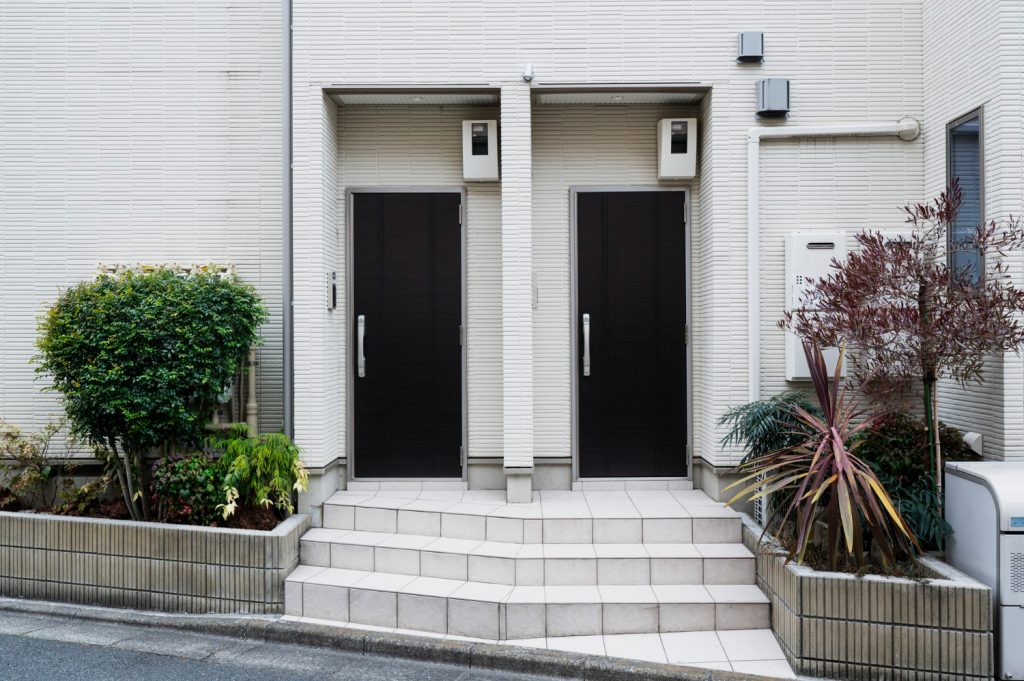
Canadian winters are tough on exterior doors. Freezing wind, wet snow, ice, salt, and sharp temperature changes can expose every weakness in an old entrance system. If your front door feels cold, sticks in the frame, shows rust, dents easily, or lets drafts into the hallway, it may be time to compare fiberglass vs steel entry doors. Both options can work well in Canadian homes, but they differ in comfort, durability, appearance, maintenance, and long-term value.
At Northridge Windows & Doors, we help homeowners choose Entry Doors that can handle winter while improving curb appeal and everyday comfort. This guide explains fiberglass vs steel entry doors in simple terms so you can make a confident decision. We will compare insulation, strength, maintenance, security, style, installation, and energy performance, while also showing how Fiberglass Doors, Steel Doors, Patio Doors, Casement Windows, and Awning Windows can work together as part of a smarter exterior upgrade.
Why Entry Door Material Matters In Canadian Winters
The entry door is one of the hardest working parts of your home’s exterior. It opens and closes daily, faces wind and moisture, protects your family, and helps separate heated indoor air from harsh outdoor conditions. When homeowners compare fiberglass vs steel entry doors, they are really comparing how each material responds to cold weather, moisture, physical impact, and long-term use. A door that performs well in mild weather may not feel as reliable when temperatures drop far below freezing.
Material matters, but the complete door system matters just as much. The slab, frame, threshold, weatherstripping, glass inserts, sidelites, hardware, and installation all affect winter performance. A high-quality door can still feel drafty if it is poorly installed or if the frame is out of square. That is why Northridge Windows & Doors treats fiberglass vs steel entry doors as a full system decision, not just a surface-level comparison between two materials.
The Real Winter Test Is Stability
A good winter entry door should stay stable, seal tightly, and operate smoothly through cold snaps and thaw cycles. If a door shifts, rusts, warps, or loses alignment, the weatherstripping may stop sealing properly. When comparing fiberglass vs steel entry doors, stability is one of the most important factors because even small gaps can make the entrance feel colder.
What Fiberglass Entry Doors Offer
Fiberglass Doors are popular because they combine insulation potential, durability, and design flexibility. They are usually built with fiberglass skins over an insulated core, which helps reduce heat transfer through the slab. In a fiberglass vs steel entry doors comparison, fiberglass often stands out for homeowners who want a warm-looking entrance that can resist moisture, dents, swelling, and warping better than many traditional materials.
Fiberglass can also mimic the appearance of wood without the same maintenance demands. Homeowners can choose smooth finishes, realistic wood-grain textures, decorative glass, different panel layouts, and a wide range of colours or stains depending on the product. This makes fiberglass vs steel entry doors especially relevant for homeowners who care about curb appeal as much as winter comfort. If you want an entryway that looks premium and performs reliably, fiberglass is often a strong option.
Where Fiberglass Works Best
Fiberglass is often a strong fit for main front entrances, side entrances, and exposed openings where appearance and weather resistance both matter. In fiberglass vs steel entry doors decisions, fiberglass is especially appealing when homeowners want a low-maintenance door with a warmer, more decorative look.
What Steel Entry Doors Offer
Steel Doors are known for strength, security, and practical value. A steel entry door usually has a steel skin over an insulated core, giving homeowners a solid and secure feel. In a fiberglass vs steel entry doors comparison, steel often appeals to people who want a durable, cost-conscious option with good basic insulation and strong resistance against forced entry when paired with quality hardware and a proper frame.
Steel is not only about strength. Modern Steel Doors can look clean and attractive, with panel designs, glass inserts, and colour options that suit many homes. However, steel can dent more easily than fiberglass, and if the outer coating is damaged, exposed steel may be more vulnerable to rust in wet or salty conditions. This is why fiberglass vs steel entry doors comparisons should consider not only the first day the door is installed, but also how the door will look and perform after years of winter use.
Where Steel Works Best
Steel can be a practical choice for front doors, side doors, garage-to-house doors, and service entrances where security and value are major priorities. In fiberglass vs steel entry doors decisions, steel is often attractive when the homeowner wants a strong, simple, and budget-friendly entry solution.
Insulation And Winter Comfort
Winter comfort is one of the biggest reasons homeowners compare fiberglass vs steel entry doors. Both materials can be built with insulated cores, and both can reduce drafts when installed correctly. Fiberglass often has an advantage in perceived warmth because the surface does not conduct temperature in quite the same way as steel. That can make the inside surface feel less cold to the touch during winter, especially near a front hallway or foyer.
Steel can still perform well when the door is properly insulated and the system includes high-quality weatherstripping, threshold sealing, and efficient glass. The problem is that homeowners sometimes judge comfort by the slab alone. In reality, fiberglass vs steel entry doors should be compared by the full system, including the frame, glass inserts, sidelites, and installation. A strong door with weak sealing can still let cold air enter around the edges.
Glass Inserts Can Affect Comfort
Decorative glass, sidelites, and transoms can make Entry Doors more attractive, but they must be chosen carefully for Canadian winters. If the glass package is inefficient or poorly sealed, the area around the door may feel colder. When comparing fiberglass vs steel entry doors, homeowners should ask about insulated glass, low-e coatings, spacer systems, and the overall energy rating of the door system.
Durability Against Moisture, Dents, And Daily Wear
Canadian winters bring moisture in many forms, including snow, ice, slush, freezing rain, and road salt carried onto porches and entry areas. Fiberglass is very resistant to moisture damage, and it does not rust. It also resists many everyday dents and surface impacts better than thin steel skins. In a fiberglass vs steel entry doors comparison, this makes fiberglass attractive for homes where the door faces direct weather or heavy daily use.
Steel is strong, but it can be more vulnerable to dents and rust if the finish is damaged. A small dent may not affect security, but it can affect appearance. If scratches expose bare metal, moisture can create rust over time unless the area is repaired. This does not mean steel is a poor choice. It means homeowners comparing fiberglass vs steel entry doors should think about exposure, maintenance habits, and how much wear the entrance receives.
Consider Your Door’s Exposure
A door protected by a porch roof may face less direct weather than a door fully exposed to snow and wind. Fiberglass may be better for highly exposed front entrances, while steel may work well in protected openings. The best fiberglass vs steel entry doors decision depends on the home’s layout, not only the material label.
Security, Maintenance, And Curb Appeal
Security is a major reason homeowners consider Steel Doors. Steel has a strong reputation, and when combined with quality locks, reinforced strike plates, solid framing, and proper installation, it can provide strong protection. Fiberglass Doors can also be secure when they are built as part of a complete entry system. In a fiberglass vs steel entry doors comparison, the lockset, deadbolt, frame, hinges, strike plate, and installation quality are all critical.
Maintenance is where fiberglass often gains an advantage. Fiberglass Doors usually resist rust, swelling, and rotting, and they can hold finishes well when high-quality products are selected. Steel Doors are also relatively low maintenance, but they need attention if scratches or dents occur. When comparing fiberglass vs steel entry doors, think about how your household actually uses the entrance and whether curb appeal, security, or budget matters most.
Hardware Quality Matters
A strong door deserves strong hardware. Hinges, locks, strike plates, and multipoint options can improve performance and peace of mind. When comparing fiberglass vs steel entry doors, do not overlook hardware because it affects security, operation, and long-term reliability.
Quick Checklist Before Choosing A Door
Before deciding between fiberglass vs steel entry doors, it helps to review your home’s exact needs. The right choice depends on exposure, budget, design goals, security preferences, and how long you plan to stay in the home. A front door that faces open wind and snow may need different priorities than a protected side entrance or garage entry.
Use this checklist before requesting a quote from Northridge Windows & Doors. It can help you compare Fiberglass Doors and Steel Doors more clearly, while also deciding whether related upgrades like Patio Doors, Casement Windows, or Awning Windows should be planned at the same time.
- Is the door fully exposed to snow, wind, and rain?
- Do you want a wood-grain appearance without wood maintenance?
- Is security your top priority?
- Is your current door drafty near the threshold?
- Do you want decorative glass, sidelites, or a transom?
- Is the frame damaged, out of square, or poorly sealed?
- Do you prefer lower maintenance over the lowest upfront cost?
- Is the entrance used heavily by children, pets, or deliveries?
- Are you also upgrading windows for a consistent exterior look?
- Do you want stronger curb appeal before selling your home?
Energy Efficiency Ratings And Canadian Resources
Energy efficiency should be part of any fiberglass vs steel entry doors decision because winter comfort depends on more than appearance. Natural Resources Canada states that ENERGY STAR certified doors are about 15 percent more energy efficient than average doors, and that ENERGY STAR certified products are tested to meet strict efficiency specifications and certified by an independent third party.
Natural Resources Canada also warns that poor installation of windows, doors, or skylights may cause condensation, cold drafts, or water leakage. Its Keeping The Heat In guidance covers upgrading windows and exterior doors to save energy and improve comfort. These resources are useful for homeowners comparing fiberglass vs steel entry doors because they reinforce a key point: the right product and the right installation must work together.
Helpful Canadian government resources:
- Natural Resources Canada: ENERGY STAR Windows, Doors And Skylights
- Natural Resources Canada: Keeping The Heat In, Upgrading Windows And Exterior Doors
Cost And Whole-Home Value
Cost is often a major factor in fiberglass vs steel entry doors comparisons. Steel Doors are often more budget-friendly upfront, which can make them appealing for homeowners who want strength and practical performance without a higher initial investment. For side entrances, rental properties, or budget-conscious replacements, steel can deliver solid value when the product is well made and professionally installed.
Fiberglass Doors may cost more upfront, but they can provide strong long-term value through durability, appearance, and reduced maintenance. If the entry door is a major curb appeal feature, fiberglass may be worth the added cost. A coordinated exterior plan can also help your Entry Doors, Patio Doors, Casement Windows, and Awning Windows look more consistent across the home.
Think Beyond The Door Slab
The total project cost may include the door slab, frame, glass, hardware, sidelites, threshold, removal, disposal, finishing, and installation. A low-cost door can become expensive if the installation is incomplete or the frame is not addressed. Fiberglass vs steel entry doors should always be compared as full installed systems.
Why Choose Northridge Windows & Doors
Northridge Windows & Doors helps homeowners compare fiberglass vs steel entry doors with a focus on real Canadian winter performance. We look at your entrance exposure, current draft issues, security needs, style preferences, budget, and long-term goals before recommending the right option. Whether you are considering Fiberglass Doors for curb appeal and durability or Steel Doors for strength and value, we help you make the decision with clarity.
Our team also focuses on professional installation because even the best door depends on proper fitting and sealing. We can help you coordinate Entry Doors with Patio Doors, Casement Windows, Awning Windows, and other exterior upgrades for a more complete result. With Northridge Windows & Doors, fiberglass vs steel entry doors becomes a practical decision based on your home, not a confusing product debate.
Which Door Is Better For Canadian Winters?
For many front entrances, fiberglass is often the stronger long-term choice because it resists moisture, dents, rust, and weather-related wear while offering excellent style flexibility. It is a strong option for homeowners who want a premium look, lower maintenance, and reliable winter performance. In many fiberglass vs steel entry doors comparisons, fiberglass is the better fit for exposed main entrances where curb appeal matters.
Steel remains a smart choice for homeowners who want strength, security, and practical value. It can perform well when protected, maintained, and professionally installed. The best way to decide is to compare your actual entrance conditions, budget, design goals, and comfort concerns. Contact Northridge Windows & Doors to compare door options and choose an entry system built for Canadian winters.
Frequently Asked Questions
- Are fiberglass vs steel entry doors both good for Canadian winters?
Yes, fiberglass vs steel entry doors can both work well in Canadian winters when they are insulated, properly sealed, and professionally installed. - Which is warmer in fiberglass vs steel entry doors comparisons?
Fiberglass often feels warmer to the touch and resists weather-related movement well, but insulated steel can also provide good winter comfort. - Which is more secure, fiberglass vs steel entry doors?
Steel is often chosen for strength, but fiberglass can also be secure with quality locks, reinforced hardware, a solid frame, and proper installation. - Which lasts longer, fiberglass vs steel entry doors?
Fiberglass often has an advantage in exposed locations because it resists rust, dents, and moisture, but quality steel can last well with proper care. - Are fiberglass vs steel entry doors low maintenance?
Both can be low maintenance, but fiberglass usually needs less attention because it does not rust and is less likely to show dents. - Which looks better, fiberglass vs steel entry doors?
Fiberglass usually offers more design flexibility, including wood-grain textures, while steel offers clean, practical styles for many homes. - Can Northridge Windows & Doors help compare fiberglass vs steel entry doors?
Yes, Northridge Windows & Doors can compare fiberglass vs steel entry doors for your home and recommend an option based on comfort, style, and durability.

