
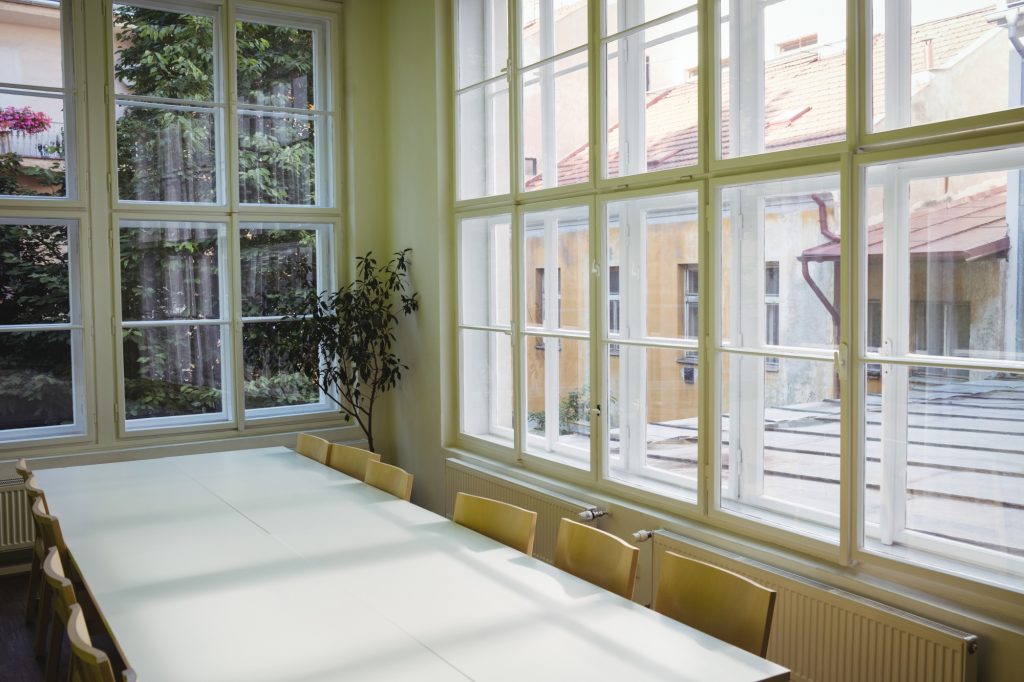
When winter hits hard, your windows do more than “look nice.” They protect comfort, reduce drafts, help manage condensation, and support stable indoor temperatures when the wind and cold are relentless. That is why homeowners researching the best window frame materials are usually trying to solve a real problem, like rooms that feel chilly near the glass, frost buildup, or rising heating costs. In extreme Canadian winters, the frame matters because it is a key part of the window’s thermal performance, air tightness, and long-term durability.
In this guide, Northridge Windows & Doors breaks down the best window frame materials for cold climates in a practical way. You will learn how each frame type handles temperature swings, what to look for in real product specs, and how to choose the best window frame materials based on your home, your exposure, and your priorities. We will also connect frame choices to popular window styles like Casement Windows, Awning Windows, Bay And Bow Windows, and Tilt And Turn Windows so you can plan upgrades that perform well and boost curb appeal at the same time.
Why Frame Material Matters In Deep Cold
In winter, heat naturally moves from warm indoor spaces to colder outdoor air. Your window frame can either slow that heat flow or allow more heat loss than you expect. That is why the best window frame materials are typically the ones with higher thermal resistance, strong weather sealing, and stable performance when temperatures swing quickly. A frame that conducts more heat can create colder interior surfaces, which can lead to comfort issues near the window and increase the chance of condensation forming on the inside of the glass or around the frame edges.
Frame material also affects long-term shape and sealing. Extreme Canadian winters bring freeze-thaw cycles, wind exposure, and low-humidity indoor heating, all of which stress the window system. The best window frame materials are the ones that resist warping, support strong corner integrity, and hold gaskets and seals tightly over years of seasonal movement. Natural Resources Canada highlights that energy-efficient performance comes from a combination of features, including glazing, frame design, and air tightness, not just one label on a product page.
The Real Job Of A Window Frame In Winter
The window frame does not just “hold glass.” It supports structural stability, anchors hardware, keeps seals compressed, and protects the insulated glass unit from twisting or stress that can cause seal failure over time. That is why choosing the best window frame materials is also about durability and fit, not only insulation.
Vinyl Window Frames
Vinyl is one of the most common choices for Canadian residential windows because it can offer strong value and solid thermal performance when designed well. Many homeowners consider vinyl among the best window frame materials because it is naturally less conductive than metal, which can help keep interior surfaces warmer and reduce cold transfer. Vinyl frames often include multi-chamber designs that trap air pockets, and higher-performance models may include foam insulation in key cavities to improve thermal resistance.
That said, not all vinyl windows are built the same. The best window frame materials in vinyl depend on profile quality, reinforcement strategy, corner welding strength, and how the frame handles expansion and contraction. In very cold conditions, some lower-grade vinyl can become more brittle or may expand and contract more noticeably, which can affect long-term sealing if the product is not engineered for harsh weather. If you are prioritizing the best window frame materials in vinyl, look for reputable manufacturing, strong warranties, and a frame design that supports airtightness and long-term stability.
Best Uses For Vinyl In Cold Regions
Vinyl frames are often a strong choice for standard openings and full-home replacement projects where you want good performance and cost control. They can be an excellent match for versatile styles like Casement Windows and Awning Windows, especially when you want reliable sealing and a clean exterior look without pushing the budget into premium territory.
Fiberglass Window Frames
Fiberglass is often viewed as a premium option because it is dimensionally stable and can perform very well in temperature extremes. Many homeowners and builders consider fiberglass among the best window frame materials for extreme Canadian winters because it tends to expand and contract less than some alternatives, which helps maintain consistent sealing pressure over time. Fiberglass frames can also be designed with insulated cavities, and when paired with high-performance glass, they can support excellent overall window performance in cold climates.
Fiberglass can be a smart choice if you want a frame that stays tight, resists warping, and supports a long service life. This matters in areas with heavy wind exposure or wide temperature swings, where frame movement can contribute to drafts or long-term seal issues. If you are comparing the best window frame materials and you want a long-term investment feel, fiberglass is often high on the list, especially for larger openings and feature windows where stability is important.
Why Stability Matters For Big Windows
Large openings like Bay And Bow Windows, or wide modern groupings, place more demand on a frame to stay square and sealed. If the frame shifts over time, it can affect the way the sashes close and how the seals compress. That is one reason homeowners aiming for the best window frame materials often consider fiberglass for feature windows or high-exposure elevations.
Wood And Wood-Clad Window Frames
Wood frames have a long history in cold climates because wood can offer natural insulating properties and a classic look. Many homeowners like wood for its warmth and architectural fit, especially in heritage-style homes. When maintained properly, wood can be part of the best window frame materials conversation because it can provide good thermal performance and a premium aesthetic. However, wood requires maintenance, and extreme moisture exposure or poor exterior protection can lead to swelling, rot, or finish problems over time.
That is where wood-clad options come in. Wood-clad windows typically offer a wood interior for appearance and insulation, paired with an exterior cladding (often aluminum) for weather protection. This can make wood-clad a stronger contender among the best window frame materials for winter, because the exterior is better protected from snow, rain, and freeze-thaw cycles. The key is build quality, proper installation, and good drainage and flashing, because even the best window frame materials can suffer if water management is poor.
When Wood Makes Sense In Canada
Wood and wood-clad frames can be great for homeowners who prioritize interior design, traditional architecture, and a premium feel. They can pair beautifully with statement upgrades, including elegant Tilt And Turn Windows in modern designs or classic Casement Windows in traditional homes, as long as the product and install are designed for Canadian exposure.
Aluminum And Thermally Broken Aluminum Frames
Standard aluminum frames conduct heat more easily than vinyl, fiberglass, or wood, so they are often less ideal in extreme winter conditions for typical residential use. That does not mean aluminum is “bad,” but it does mean it requires better engineering to compete as one of the best window frame materials in deep cold. In many cold-climate residential applications, the focus shifts to thermally broken aluminum, which includes a thermal barrier that reduces heat transfer through the frame.
Thermally broken aluminum can be used effectively when you need strength, slim sightlines, or specific modern aesthetics, but performance depends heavily on the quality of the thermal break and the overall system design. If you are comparing the best window frame materials and you are drawn to modern, thin-frame looks, thermally broken aluminum is the version worth evaluating, especially when paired with a strong glass package and excellent installation details. Natural Resources Canada’s buying guidance emphasizes comparing performance characteristics and choosing products that are suited for your climate, which is critical when evaluating metal frame systems in winter.
Where Aluminum Still Shows Up In Residential Projects
Some homeowners choose aluminum-clad wood for exterior durability, or thermally broken aluminum for certain contemporary looks. If that is your preference, focus on verified performance metrics and make sure your installer addresses air sealing, because the best window frame materials still need correct installation to deliver real comfort.
Composite And Hybrid Window Frames
Composite frames vary widely, but they generally aim to combine the strengths of multiple materials, such as stability, insulation, and durability. Some composites are engineered to resist warping and provide strong thermal performance, which can make them candidates for the best window frame materials in harsh climates. Because “composite” can mean different things depending on the manufacturer, it is important to focus on performance ratings, warranty coverage, and how the frame is engineered for cold temperatures.
Hybrid frames, such as wood interiors with protective exteriors, or reinforced vinyl designs, can also fit into a smart cold-climate strategy. The best window frame materials in this category are the ones that offer stable sealing, good insulation, and durable finishes that hold up to snow and UV exposure. If you are planning a complete exterior refresh that includes Entry Doors and Patio Doors, a hybrid approach can help you match interior aesthetics while keeping the exterior finish practical for winter.
Focus On Verified Performance, Not Labels
Because composites can vary, ask for specific performance metrics like U-factor and air leakage. Natural Resources Canada notes that window performance varies widely among models, and it encourages homeowners to compare certified products and specifications rather than assuming all products in a category perform the same.
How To Choose The Best Window Frame Materials For Your Home
The best window frame materials for one home are not always the same for another. Start by looking at exposure. North-facing and wind-facing elevations usually benefit from higher-performing frames and glass packages because those areas experience more cold stress. Next, consider window size and style. Larger openings can benefit from materials with strong stability, while standard openings give you more flexibility. If you are replacing several windows at once, you can also mix strategies, using higher-performance frames in high-exposure rooms and value-focused frames in lower-priority areas, while keeping the exterior look consistent.
It also helps to consider your comfort goals. If you are trying to solve persistent cold spots, drafts, or winter condensation, you may want to prioritize the best window frame materials that improve thermal resistance and stability, paired with strong glazing and airtight installation. If your primary goal is curb appeal and a clean exterior update, you can still choose the best window frame materials for durability, but you might allocate more budget to standout styles like Bay And Bow Windows for the front elevation or premium Tilt And Turn Windows for a modern design statement.
Match Frame Choice With Window Style
If you love Casement Windows for their clean look and sealing potential, choose frames that support strong gasket compression and stable alignment. If you want Awning Windows in bathrooms or basements, focus on durability and weather resistance. If your plan includes Bay And Bow Windows, prioritize stability and long-term sealing. If you prefer Tilt And Turn Windows, look for premium system design and installation quality to match the style’s high-end intent.
Quick Winter Checklist Before You Choose
If you are trying to decide between options, use a practical checklist to identify what your home needs most. The best window frame materials are the ones that match the specific challenges you face in winter, not just what sounds good in a brochure. This list helps you connect your comfort complaints and exposure issues to the frame qualities that matter most.
It is also a good idea to walk around your home on a cold day and note which rooms feel the worst. These observations help you allocate budget intelligently. Many homeowners find that a targeted strategy provides better real-world results than trying to buy the “top option” for every opening without considering exposure and room usage.
- Rooms near windows feel noticeably colder in winter
- You feel drafts along the frame or sash edges
- You see repeated condensation in the same rooms
- Your home has large windows on the wind-facing side
- You want low maintenance exterior finishes
- Your windows are older and the frames feel worn or loose
- You are upgrading curb appeal with feature windows or new Entry Doors
- You want quieter interiors from street noise
- You plan to stay in the home long enough to value comfort gains
Installation And Airtightness Matter As Much As Materials
Even the best window frame materials can underperform if the installation is not done properly. Air sealing, flashing, correct shimming, and proper integration with the building envelope all determine whether you get drafts, water intrusion, or long-term movement. In extreme winters, small air leaks become very noticeable because the temperature difference is large. That is why the best window frame materials choice should always be paired with a clear installation plan and quality workmanship.
Natural Resources Canada’s guidance on upgrading windows and exterior doors emphasizes that windows can be a significant source of heat loss and highlights the importance of choosing and installing upgrades correctly. When Northridge Windows & Doors helps homeowners choose the best window frame materials, we also focus on the complete system: frame, glass, sealing, and finishing. That is how you get a window upgrade that feels warmer, looks cleaner, and stays reliable through years of Canadian winters.
Good Installation Protects Seals And Longevity
A stable, properly installed frame reduces stress on the insulated glass unit and helps maintain long-term sealing. That can reduce the risk of fogging issues, draft complaints, and premature wear. If you want the best window frame materials to pay off, installation quality is what makes the performance real.
Why Choose Northridge Windows & Doors
Northridge Windows & Doors helps homeowners choose the best window frame materials by matching real performance needs with the right window system and style. We look at exposure, room usage, window size, and your comfort goals, then recommend options that make sense for extreme Canadian winters. Whether you are upgrading a full home with Casement Windows, adding Awning Windows for smart ventilation, planning Bay And Bow Windows as a standout curb appeal feature, or choosing Tilt And Turn Windows for a modern look, we guide you toward a durable, high-performing outcome.
We also take a full-system approach, because the best window frame materials only deliver when the installation details are correct. Our team focuses on accurate measuring, proper sealing, and clean finishing so your windows stay tight, comfortable, and visually consistent for years. If you are coordinating windows with Entry Doors and Patio Doors, we can also help you plan the project so your exterior looks cohesive and the whole home envelope performs better in winter.
Choose Frame Materials That Hold Up When Winter Is Tough
Extreme Canadian winters demand more from windows than mild climates do, and the frame is a big part of how your windows perform. The best window frame materials are the ones that balance insulation, stability, durability, and maintenance needs while matching your home’s design. Vinyl can be a strong value choice, fiberglass can offer excellent stability and premium performance, wood and wood-clad can provide a classic feel with proper protection, and thermally broken aluminum or certain composites can work when engineered for cold climates.
If you want help choosing the best window frame materials for your home, Northridge Windows & Doors is ready to guide you. Share your window count, your exposure concerns, and the styles you like, and we will recommend a plan that improves comfort, supports efficiency, and upgrades curb appeal. Contact Northridge Windows & Doors to compare options and move forward with confidence before the next deep freeze arrives.
Frequently Asked Questions
1) What are the best window frame materials for extreme cold?
The best window frame materials for extreme cold are usually vinyl, fiberglass, and well-built wood-clad systems, chosen based on exposure and build quality.
2) Do the best window frame materials reduce drafts?
Yes, the best window frame materials help reduce drafts when paired with strong sealing, good hardware alignment, and professional installation.
3) Are the best window frame materials always the most expensive?
Not always. Some best window frame materials, like quality vinyl, can deliver strong winter performance without the highest price tag.
4) Do the best window frame materials prevent condensation?
They can help by keeping interior surfaces warmer, but humidity, ventilation, and glass performance also affect condensation risk.
5) How do I compare best window frame materials properly?
Compare verified performance specs like U-factor and air leakage, and use trusted guidance like Natural Resources Canada resources.
6) Do the best window frame materials work for all window styles?
Yes, but the best match depends on the style. Casement Windows, Awning Windows, Bay And Bow Windows, and Tilt And Turn Windows can all be paired with high-performing frames.
7) Where can I learn more about best window frame materials and efficiency in Canada?
Natural Resources Canada provides helpful resources on window features and shopping guidance that support better decisions.

